Deergrass
Muhlenbergia rigens
Care
full sun
low
adaptable; tolerates clay and seasonal flooding
3–5ft tall , 3–4ft wide
Jun-Sep · tan
Evergreen
Resistant
Friendly
California and Southwest in grasslands and open areas
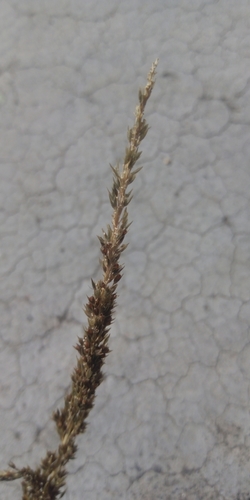
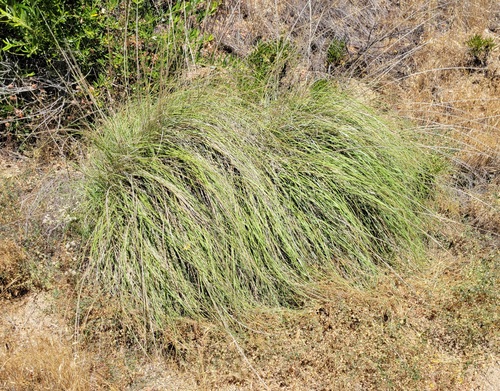
Narrow spiky flower stalks rising 2 feet above dense mound
Architectural bunchgrass; important indigenous basketry material
Care Guide
Planting
Plant Deergrass in full sun for best results, though it tolerates shade. It's extremely adaptable to soil type - it thrives in sandy soil but also handles clay and even serpentine soil, so don't stress about amending. Space plants in groups for an impressive mounding display, and plant in spring or fall when the Bay Area's mild temperatures help establish roots. Make sure your site has decent drainage; this grass handles everything from fast to slow drainage.
After Planting
Water weekly for the first summer to establish a strong root system, then cut back significantly - once established, Deergrass needs water only about once a month in summer or less. By year two, you can often skip supplemental watering entirely and let Bay Area winter rains do the work. The #1 mistake is overwatering; this is a low-water native grass that actually prefers dry conditions once established, so resist the urge to treat it like a lawn. You can deadhead spent flower spikes in late fall if you want a tidier look, but otherwise this is a hands-off plant.
Endangered & Threatened Species Supported
California endemic kangaroo rat
Brush rabbit is a Species of Special Concern
Wildlife Supported
Birds

Critical pre-migration fattening Sep-Nov

Primary seed food source, especially important winter dietary supplement

Migration staging fuel Sep-Oct, seeds critical during southbound migration

Year-round dietary staple in California oak-grassland interface

Dense evergreen structure used for nesting material and nest site selection Apr-Jun
Mammals

Seeds cached for overwinter food stores Aug-Oct

Grazing on young shoots and foliage; evergreen structure provides year-round shelter
Insects

Dense grass clumps used for nest burrow construction and larval provisioning Jun-Aug

Nymphal stage feeds on grass blades Apr-Jun

Shelter and moisture retention in dense evergreen basal mat