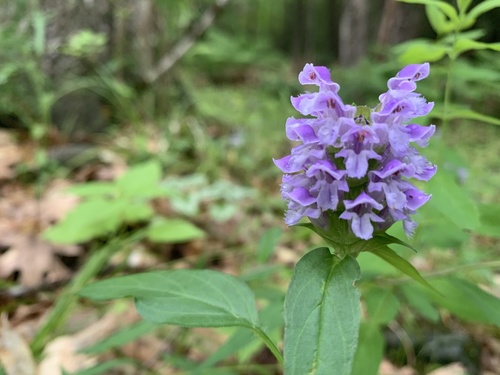
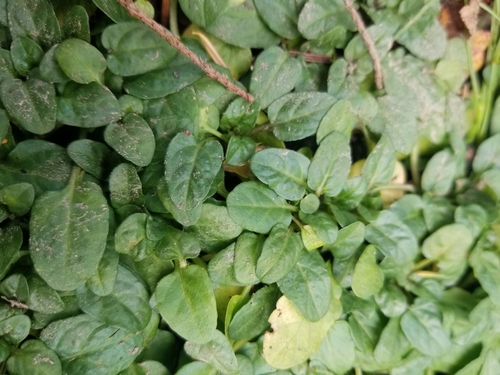
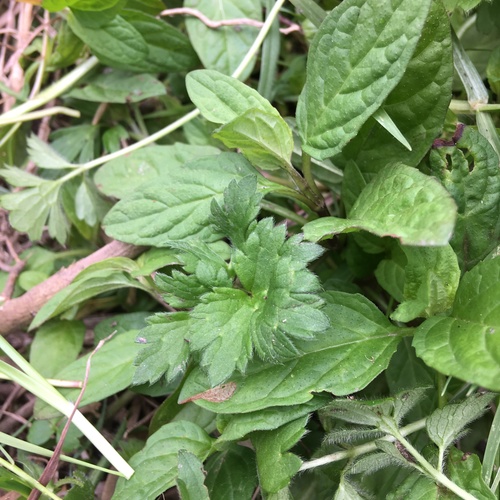
Alpine Self-heal
Prunella vulgaris var. lanceolata
Care
full sun, part shade
moderate
Fast, Medium; Prefers damp sandy loam.
1–2ft tall , 0–0ft wide
Jun-Aug
Resistant
Friendly
Prized
Leaves used fresh or dried in herbal tea or as food garnish
High elevation meadows and alpine areas of the Sierra Nevada and cascade ranges, above 6000 ft elevation.
Care Guide
Planting
Plant Alpine Self-heal in full sun or part shade in spring, spacing plants about 1 to 2 feet apart. It prefers damp sandy loam with fast to medium drainage - avoid heavy, compacted soils. This cold-hardy perennial will establish best when planted in early spring, giving it the full growing season to develop its creeping, self-rooting stems.
After Planting
Water weekly during your first summer to keep the soil consistently moist while the plant establishes itself. Once established, Alpine Self-heal needs only moderate water and is quite low-maintenance - it will spread via its self-rooting stems, so prune back in late winter or early spring if you want to control its spread or tidy up the groundcover. The plant dies back in winter and regrows in spring, and the biggest mistake is overwatering in fall and winter when soil naturally stays damper and the plant needs less water.
Wildlife Supported
Insects

Mid to late summer nectar source during peak foraging

Summer bloom period primary foraging

Early spring foraging for colony establishment

Summer and fall foraging

Spring pollen collection for nesting provisioning

Summer foraging on flowering stems

Mid-summer foraging during nesting period

Early spring nectar source
+2 more species
Birds

Fall migration and winter seed foraging

Fall and winter seed consumption
Mammals

Herbaceous forage, particularly in spring growth