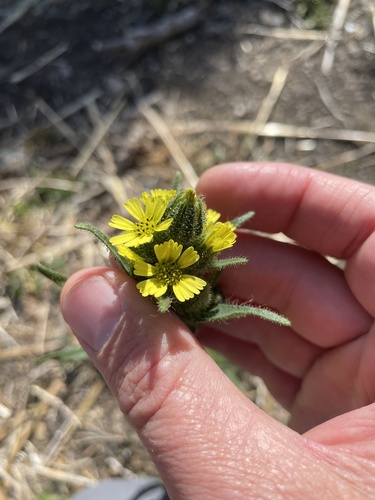
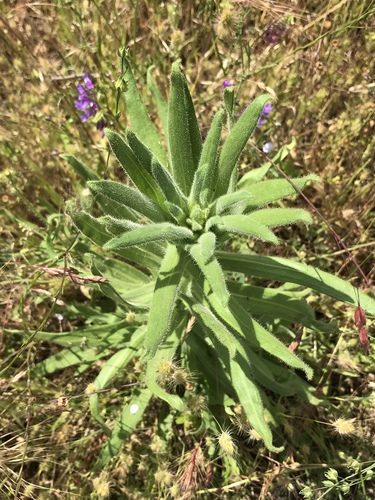
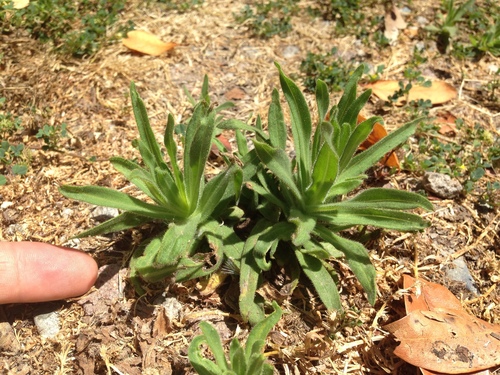
Chile Tarweed
Madia sativa
Care
full sun
0–8ft tall
Prized
Seeds pressed for oil; traditionally used as food by Indigenous peoples
Coastal grassland from the San Francisco Bay Area to Santa Barbara County, below 1500 ft elevation
Care Guide
Planting
Plant Chile Tarweed in full sun, where it will thrive in the Bay Area's coastal grassland-like conditions. This is an annual herb, so plant it in spring to allow it to grow and flower through the growing season. Space plants according to your desired final height - they range from under a foot to over 6 feet tall depending on growing conditions. Be prepared for its sticky resin coating and strong unpleasant scent, which are natural features of this plant.
After Planting
Water your tarweed regularly during its first growing season to establish it, then reduce watering as it matures since it tolerates drought conditions typical of coastal grasslands. As an annual, expect the plant to complete its lifecycle within one year - flowering, setting seed, and naturally declining as temperatures cool. The main mistake is overwatering once established; this plant evolved in disturbed, dry areas and prefers lean conditions. Enjoy the small yellow flowers and interesting insect activity, then allow it to self-seed if you want it to return next year.
Wildlife Supported
Birds

Primary seed consumption during fall and winter months when other food sources decline

Winter diet staple during overwintering period

Year-round resident utilizing seeds across seasons

Critical fall migration and overwintering food source

Peak seed consumption late summer through fall before migration

Fall and winter seed consumption

Important seed source during winter months

Ground-foraging seed consumption in fall and winter
Insects

Fungal pathogen utilizing plant as host; may regulate plant populations

Adult nectar source during flight season