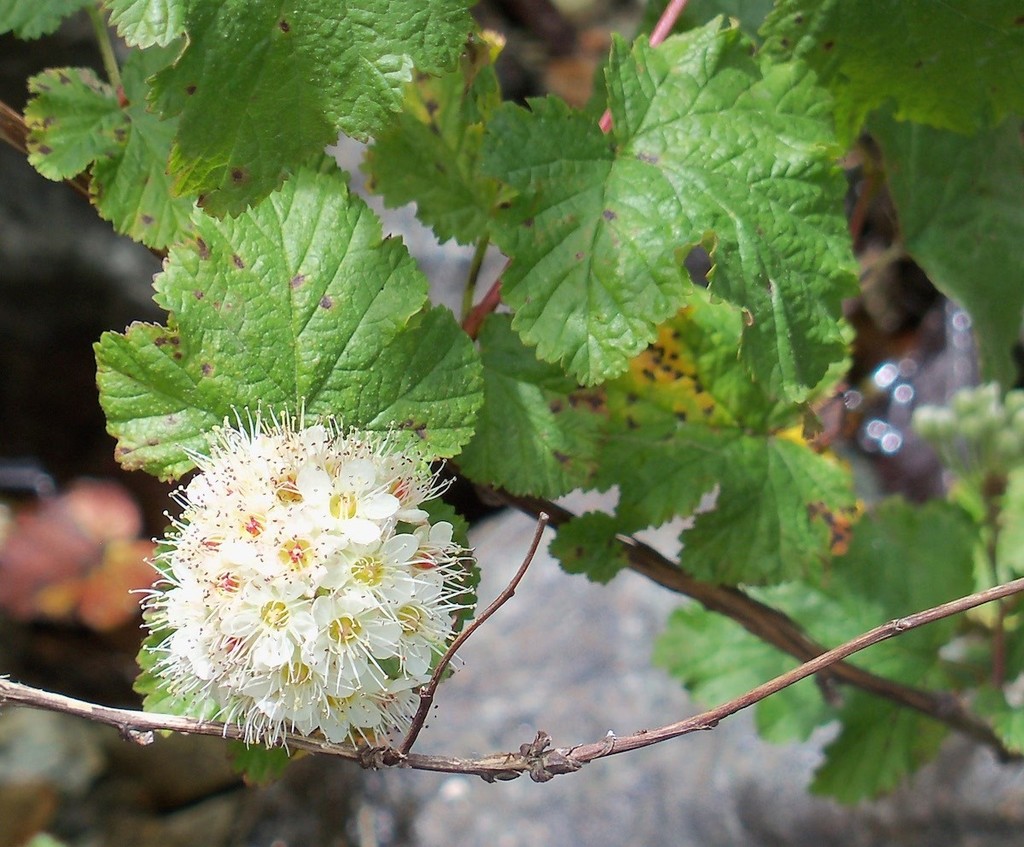
Ninebark
Physocarpus capitatus
Care
part shade
low
Medium; Tolerates a variety of soils as long as adequate moisture is present. Tolerates serpentine soil..
3–8ft tall , 8–8ft wide
Mar-May
Deciduous
Resistant
Riparian and oak woodland understory from the northern Coast Ranges to the central Sierra Nevada, below 4000 ft elevation, extending to southern Oregon and northern Nevada.
Care Guide
Planting
Plant your ninebark in part shade with medium-draining soil that retains some moisture - this California native thrives in conditions like those near streams where it naturally grows. If you're in a coastal or higher-elevation area, it can handle full sun, but inland Bay Area gardeners should prioritize afternoon shade and consistent soil moisture. Plant in fall or winter when the shrub is dormant to give it time to establish before summer heat. Space plants 4–6 feet apart if creating a hedge, and know that the extensive root system makes it excellent for slopes where erosion is a concern.
After Planting
Water weekly through your first summer, then taper to once monthly during the dry season once established - this shrub is thirsty during growth but drought-tolerant once rooted in. In fall, your ninebark will put on a color show before dropping all its leaves for winter dormancy; this is completely normal. Prune in late winter or early spring after the last frost (it tolerates cold to 5°F) to maintain shape or rejuvenate old wood. The biggest mistake is underwatering during establishment; this plant evolved near water sources, so don't let it completely dry out in year one.
Endangered & Threatened Species Supported
California Species of Special Concern
Wildlife Supported
Insects
Spring forager on ninebark flowers for nectar and pollen
Larval host plant; caterpillars feed on ninebark foliage
Larval host plant for butterfly caterpillars
Larval host plant; caterpillars feed on ninebark foliage
Spring forager on ninebark flowers for nectar and pollen
Larval host plant; caterpillars feed on ninebark foliage
Early spring forager on ninebark flowers for nectar and pollen
+9 more species
Mammals
Browse on shoots and leaves, especially in riparian and wet meadow habitats where ninebark occurs