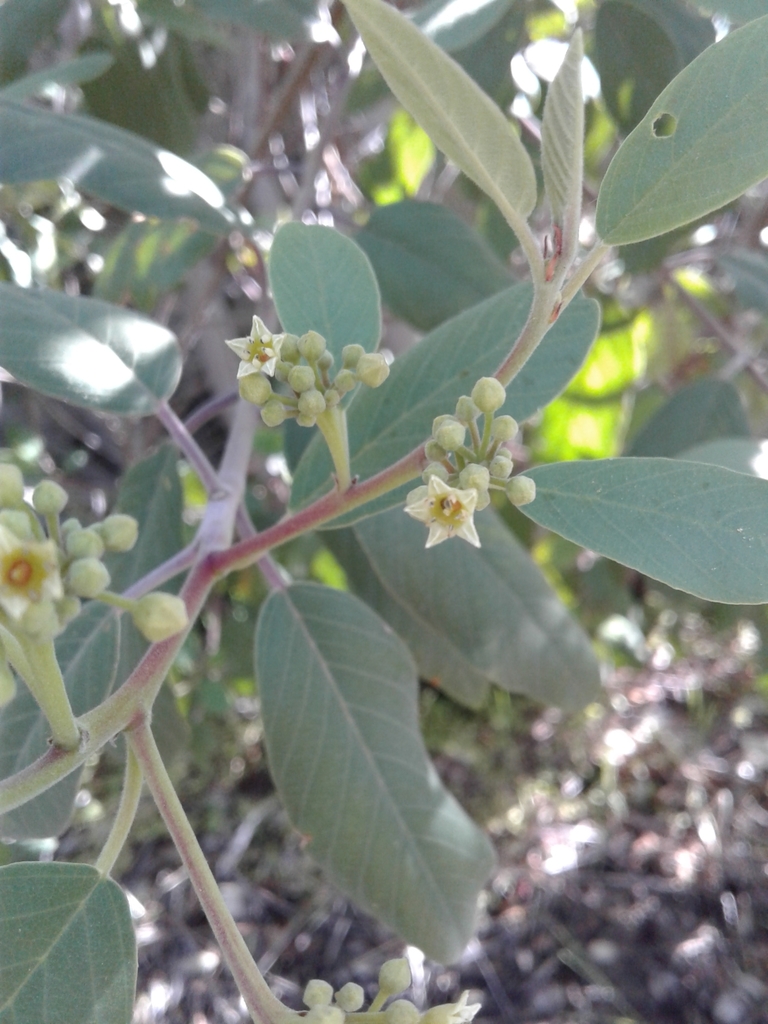
California Coffeeberry
Frangula californica
full sun, part shade, full shade
very low
adaptable; tolerates clay and dry rocky soil
3–15ft tall, 3–10ft wide
Apr-Jun · greenish-yellow
Evergreen
Resistant
Friendly
Throughout California in many habitats
Small inconspicuous greenish flowers; berries turn red then black
Extremely versatile; many cultivars available; 'Eve Case' is compact selection
Planting
Plant your coffeeberry in full sun or part shade - it's flexible and will thrive in either. Soil is not a concern; this plant tolerates clay, rocky, and dry soils as long as drainage is decent (avoid standing water). Space according to the variety you chose - they range from 3 to 15 feet tall, so check your plant tag. Fall or early spring planting works best in the Bay Area.
After Planting
Water weekly for the first summer to establish roots, then transition to very low water once established - maximum 2 times per month through summer. In year one, let the plant focus on root development rather than aggressive pruning; just remove dead or crossing branches. The #1 mistake people make is overwatering; coffeeberry prefers dry conditions and actually thrives on neglect. Once established (usually by year two), you can prune as needed to shape it into a hedge or maintain density - it responds well to cutting.
Visit Calscape for more information about California Coffeeberry
California Species of Special Concern; population fluctuations noted
Insects
Primary larval host plant for pale swallowtail in California, eggs laid Apr-May
Larval host for spring generation, eggs laid on foliage
Spring blooms provide early season forage for queen establishment
Larval host plant, critical for this California endemic butterfly
Documented larval host, caterpillars feed on emerging leaves
Spring flowering (Apr-Jun) provides important early season nectar source
Larval host plant, caterpillars feed on new growth April-May
Documented larval host, caterpillars feed on foliage in spring-early summer
+11 more species
Birds
Critical fall migration fuel source, berries consumed during southbound migration Sep-Oct
Fall migration staging food source, berries essential for energy before departure
Year-round resident, coffeeberry berries important winter food source
Summer breeding season frugivore, important diet component
Forages in shrubs for fruits and insects in fall-winter
Regular consumer of coffeeberry fruits throughout year
Opportunistic frugivore in mixed diet, berries consumed when available
Fall and winter ground forager, consumes fallen berries
+2 more species
Mammals
Fall fruit consumption, stores berries as winter cache food
Fall-winter resource, berries included in midden caches
3921 E Bayshore Rd (Foothills Nature Preserve), Palo Alto
Online orders only ($50 min); pickup daily 8am-sunset
26870 Moody Rd (Hidden Villa), Los Altos Hills
Seasonal sales (spring & fall); check website
