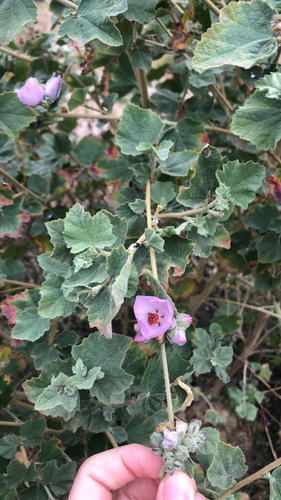
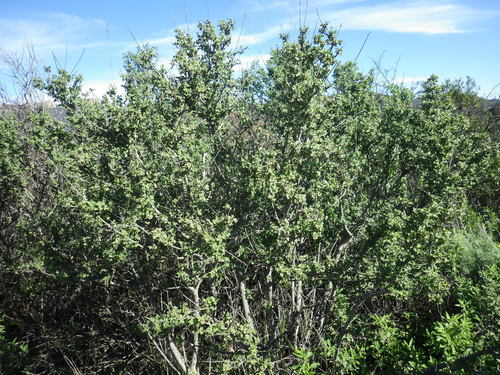
Chaparral Mallow
Malacothamnus fasciculatus
Care
full sun
very low
Fast, Medium, Slow; Tolerant of a variety of soils as long as drainage is good.
3–16ft tall , 10–10ft wide
Mar-Aug
Evergreen
Resistant
Prized
Central Coast Ranges and southern California mountains from San Luis Obispo County to Kern County, below 3000 ft in chaparral.
Care Guide
Planting
Plant Chaparral Mallow in full sun with well-draining soil - it tolerates fast, medium, or slow drainage as long as water doesn't pool. Spring is the ideal planting season in the Bay Area. Space plants according to your garden's size: if you have room, let them grow to their full 10–16 feet wide; in smaller gardens, plan for regular pruning to manage their fast growth.
After Planting
Water weekly during the first growing season to establish a strong root system, then transition to very low water once established - just once a month maximum in summer. Year two onward, this plant is extremely drought-tolerant and needs almost no supplemental water. Prune in late winter or early spring to shape and control size, especially if you're in a small space. The #1 mistake is overwatering after establishment; this plant thrives on neglect and root rot is a real risk in Bay Area winter rains without excellent drainage.
Endangered & Threatened Species Supported
Sonoran bumblebee, California candidate
Wildlife Supported
Insects

Specialist mallophile bee; larval food source

Specialist mallophile bee; depends on mallow pollen and nectar for larvae provisioning

Early spring colony establishment and worker foraging

Mallow specialist; pollen collection for offspring

Spring and early summer foraging for colony provisioning

Early spring colony establishment and worker foraging

Spring bloom period foraging

Spring through fall nectar source
+5 more species
Birds

Primary year-round resident; critical for winter territoriality and early breeding season (Dec-Mar)