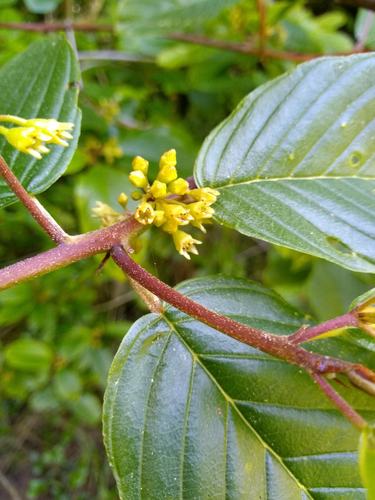
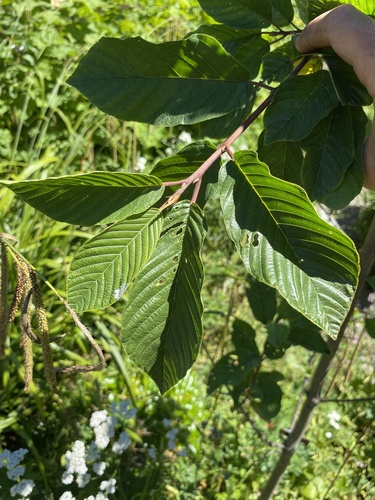
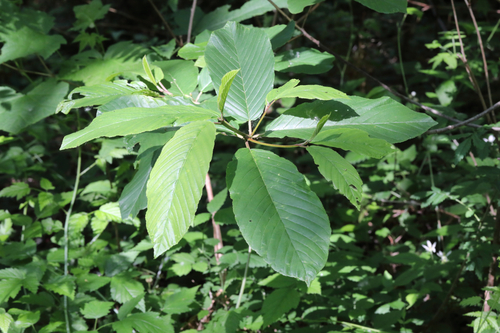
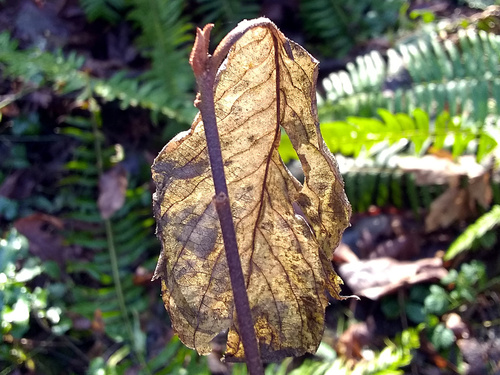
Cascara Sagrada
Frangula purshiana
Care
part shade, full sun
low
Fast, Medium, Slow, Standing; Quite adaptable to a wide variety of soil types.
20–49ft tall , 12–12ft wide
Mar-May
Deciduous
Northern California from Mendocino County to the Oregon border, typically 500-3000 ft elevation in mixed evergreen and riparian forest.
Care Guide
Planting
Plant Cascara Sagrada in full sun or partial shade in fall or winter to take advantage of the rainy season. This native shrub is remarkably adaptable to different soil types and drainage conditions - whether your Bay Area garden has fast-draining, medium, slow, or even poorly-draining soil, it will establish. Space it 15-25 feet apart if you're planning for its mature size (20-49 feet tall), though it often grows as a large shrub rather than a tree.
After Planting
Water your Cascara weekly during its first summer, then taper off as it becomes established - by the second year, limit irrigation to 3 times per month or less during dry months. Once established, this is a low-water plant that needs minimal summer irrigation and will tolerate the cold Bay Area winters down to 0°F. Cascara is deciduous and will drop its leaves in winter, which is completely normal. The biggest mistake is overwatering: this plant prefers dry conditions once established, so err on the side of underwatering rather than keeping the soil constantly moist.
Endangered & Threatened Species Supported
California Threatened; Species of Special Concern
California Species of Special Concern
California Species of Special Concern
Wildlife Supported
Insects

Susceptible host plant for pathogen; can harbor disease

Larval host plant for caterpillar development April-June
Nectar visitation during flight season

Larval host plant; caterpillar feeding period spring months

Larval host plant supporting caterpillar development

Nectar source during spring emergence and breeding season
Pollen and nectar visitors during bloom period

Early season nectar source; supports colony development
Birds

Critical fall migration fuel source; fruit consumption peaks September-October

Year-round resident; important food source especially late summer through fall

Seasonal fruit foraging during migration and winter months
Mammals

Late summer and fall fruit consumption; pre-hibernation nutritional source