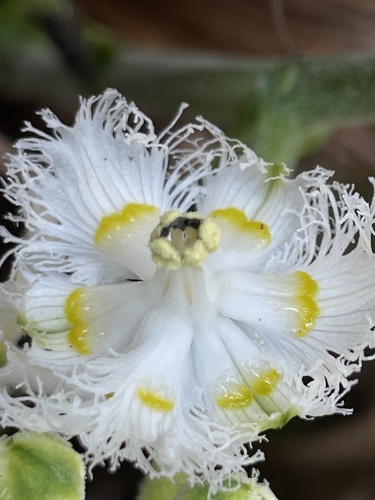
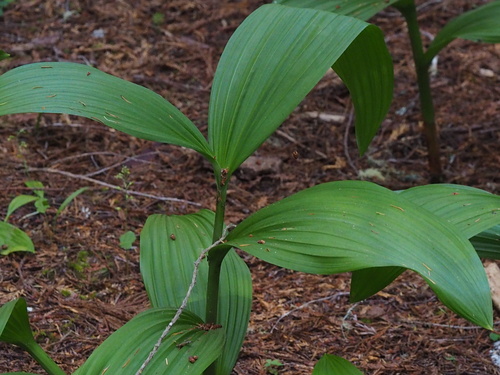
Fringed False Hellebore
Veratrum fimbriatum
Care
full sun, part shade
Resistant
North Coast Ranges from Napa County to Humboldt County, typically 500-3500 ft elevation in mixed evergreen and redwood forest.
Care Guide
Planting
Plant your fringed false hellebore in full sun to part shade. This rare California native thrives in the coastal scrub conditions of Mendocino and Sonoma Counties, so it's adapted to the Bay Area's climate. Space it with room for its stout, hollow stem and large basal leaves to develop fully. Plant in fall or early spring when the plant is dormant to give the rhizome time to establish.
After Planting
Water regularly during your first growing season to help the thick rhizome establish itself. Once established, this native perennial should require minimal supplemental water, as it's adapted to coastal scrub conditions. The plant is deer resistant, so you won't need to protect it from browsing. Watch for the distinctive club-shaped flower buds that open into lacy-fringed blooms - the plant will tell you it's thriving when these appear.
Visit Calscape for more information about Fringed False Hellebore
Endangered & Threatened Species Supported
California Species of Special Concern; Declining due to disease and habitat loss
Pacific water shrew is a Species of Special Concern
California Species of Special Concern due to habitat loss and localized population declines
Wildlife Supported
Mammals

Invertebrate prey attracted to plant foliage; used for foraging habitat

Young shoots consumed during spring emergence and early growth

Seeds collected and cached for winter food stores September-October
Amphibians

Moist leaf litter and rhizomes provide breeding season refuge
Birds

Forages for insects and invertebrates in leaf litter and basal foliage during breeding season
Reptiles

Dense basal foliage provides cover and microhabitat refuge