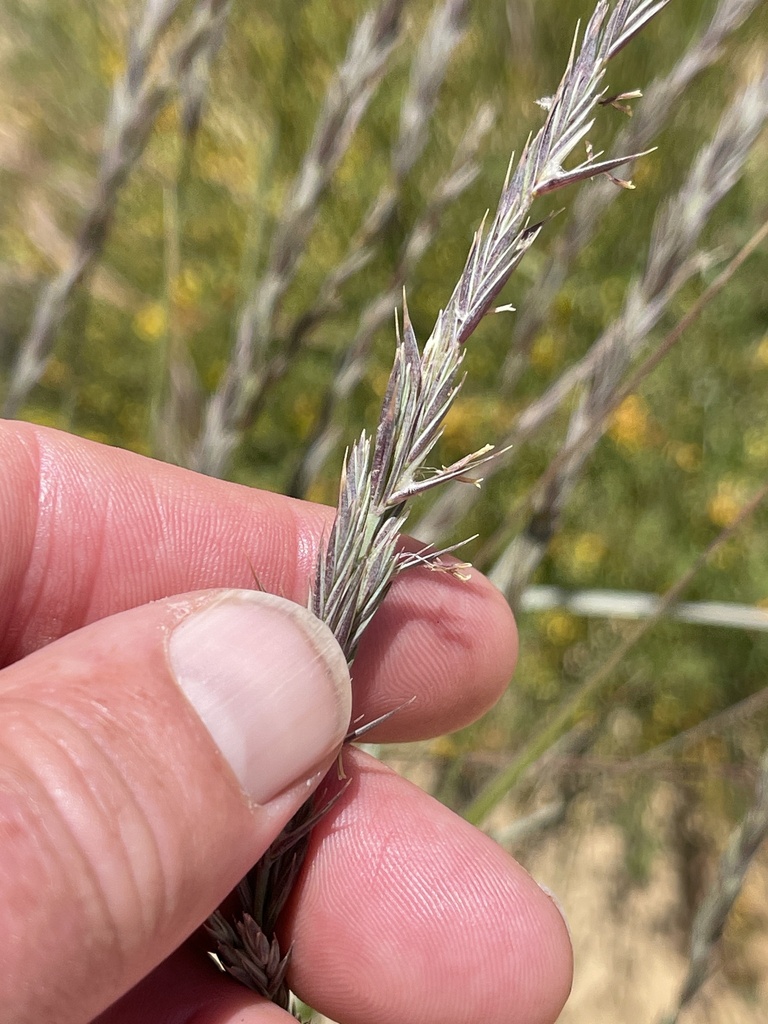
Creeping Wildrye
Elymus triticoides
Care
full sun
low
heavy clay soils; tolerates alkaline and seasonal flooding
1–3ft tall , 2–4ft wide
May-Jul · green
Semi-Deciduous
Resistant
Friendly
Western North America in valleys and flats
Upright seed spikes
Rhizomatous spreading grass; excellent for erosion control on clay
Care Guide
Planting
Plant Creeping Wild Rye in full sun in a spot with medium to slow-draining soil - it actually thrives in heavy clay and tolerates alkaline conditions, so don't amend heavily. Space plants to allow room for the rhizomatous root system to spread and establish a solid groundcover. Plant in fall or early spring to give the plant time to develop its root system before summer heat.
After Planting
Water weekly through your first summer, then dial back to once a month or less once established - this is a genuinely low-water grass that doesn't need much once it gets going. The plant is semi-deciduous and will go dormant or thin out in winter, which is completely normal; resist the urge to overwater during this dormant period. Creeping Wild Rye is tough and easy to care for, but the #1 mistake is overwatering - it's native to arid and semi-arid regions, so err on the dry side.
Endangered & Threatened Species Supported
Endemic to California, habitat loss from urban development
Wildlife Supported
Birds
Critical fall and winter seed source during migration and overwintering Nov-Mar
Seeds available after flowering; particularly important winter food source
Primary seed consumption during migration staging and overwinter period Sep-Mar
Dense riparian grass used for nesting colonies and brood cover
Dense grass cover used for nesting sites and fledgling staging Apr-Aug
Mammals
Seeds cached for winter food storage; caches support winter survival
Insects
Fungal pathogen; overwinters on living plant tissue
Fungal pathogen affecting grass health during growing season May-Oct
Common fungal pathogen on grass foliage; affects plant vigor
Larvae develop in grass stems; adults emerge summer-fall