California Bay Laurel
Umbellularia californica
Care
full sun, part shade, full shade
low
adaptable; prefers moist well-drained
40–80ft tall , 30–50ft wide
Dec-Mar · yellow-green
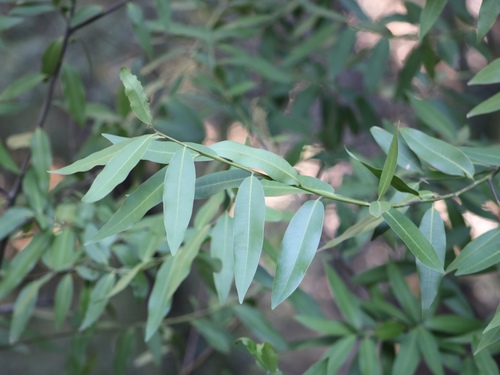
Evergreen
Resistant
Yes
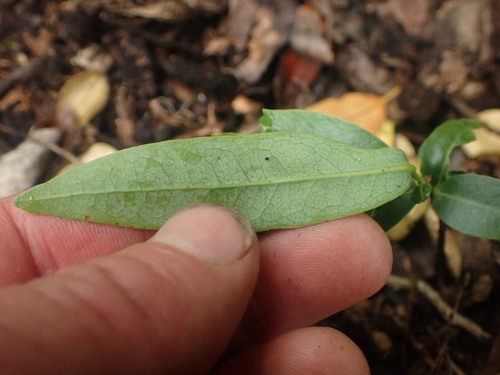
Leaves used as culinary seasoning (small amounts)
Coast Ranges and Sierra foothills throughout California
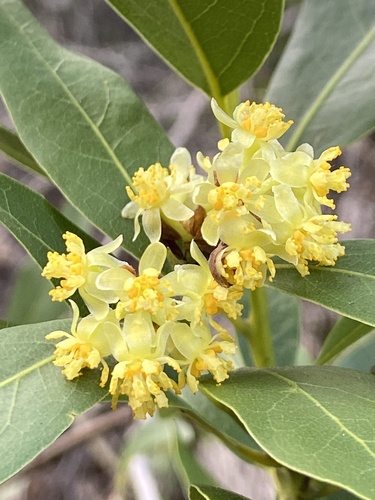
Small clusters of yellowish flowers in winter
Aromatic leaves used as seasoning; can cause headaches from strong scent
Care Guide
Planting
Plant your bay laurel in full sun to part shade in fall or winter for best establishment. It's remarkably adaptable to Bay Area soils - including clay and serpentine - and tolerates both medium and slow drainage, so don't stress about amending. Space it with room to grow to its mature size of 40–80 feet, and protect young plants from deer browsing with fencing or guards.
After Planting
Water young plants regularly through their first growing season and summer, tapering to no more than 3 times per month once established, since bay laurels are drought tolerant once mature. Expect slow growth in year one, then faster growth afterward; this is normal. The biggest mistake is overwatering - once established, this tree prefers dry conditions and doesn't need summer irrigation beyond occasional deep watering during extreme heat. Be aware that bay laurels release compounds that suppress understory plants, so companion planting options are limited.
Visit Calscape for more information about California Bay Laurel
Endangered & Threatened Species Supported
California Species of Special Concern
Wildlife Supported
Birds

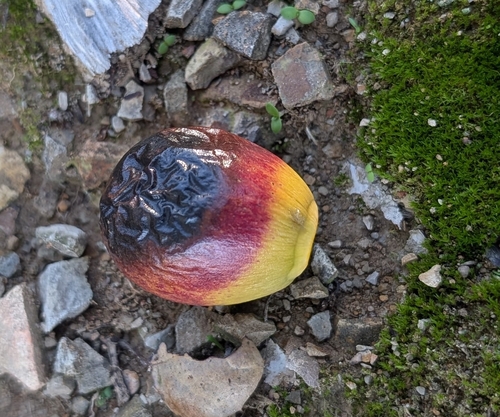
Primary winter food source Dec-Mar; disperses seeds throughout oak woodland and chaparral

Important winter diet component; caches seeds for overwinter survival

Year-round resident; forages on fallen fruits and insects in dense bay laurel understory

Year-round resident utilizing fruits and insects from bay laurel foliage during winter months

Winter visitor; forages for fallen fruit and insects in leaf litter beneath trees Dec-Mar

Winter resident; supplements diet with bay laurel fruits and understory insects
Insects

Monophagous leaf-miner; larvae develop within bay laurel leaves throughout year

Early nectar source during Dec-Mar bloom period; critical for overwintering colony queens

Primary winter nectar source during Dec-Mar flowering; sustains colony brood rearing
Visits bay laurel flowers during winter bloom period

Visits flowering bay laurel Dec-Mar; overwintering butterfly fuel source

Bay laurel is preferred host plant; caterpillars feed on new spring foliage
Mammals

Browsing on evergreen foliage particularly critical during drought and winter when other vegetation is scarce

Forages for fallen fruits; caches nuts and seeds for winter survival

Caches bay laurel fruits in burrows for winter food stores; peak foraging Sep-Nov