Castlegar's Hawthorn
Crataegus castlegarensis
Care
moderate
Prized
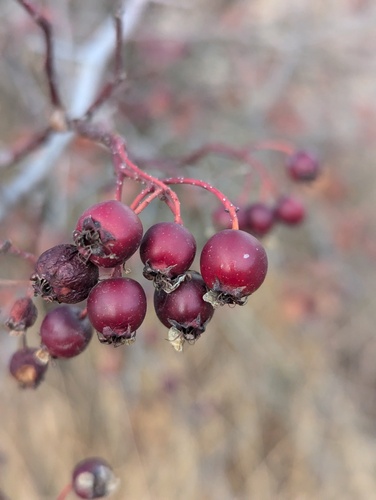
Fruit eaten fresh; traditional Indigenous food
Northeastern California in Modoc and Lassen counties near the Oregon border, 3500-5000 ft elevation in riparian and mixed conifer habitats.
Care Guide
Planting
Plant your Castlegar hawthorn in fall or early spring when the plant is dormant. This deciduous shrub can work as either a woodland shrub or small tree, so give it space to develop its natural form - account for mature height when spacing. The data doesn't specify exact sun or soil requirements, so observe your planting spot: hawthorns typically prefer full sun to part shade and well-draining soil.
After Planting
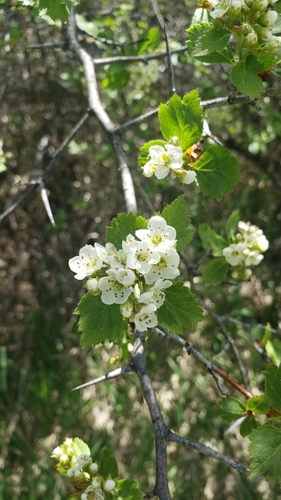
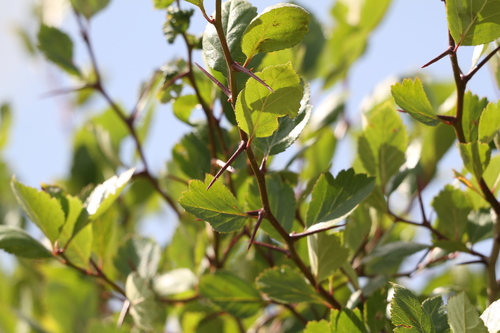
Water moderately during your first growing season to establish the root system; taper off as the plant matures and takes advantage of rainfall. Expect your hawthorn to leaf out in spring, produce cream-colored flowers May through June, and drop its leaves in fall - this is normal deciduous behavior, not a sign of trouble. Watch out for the long thorns on the twigs when pruning; remove dead or crossing branches in late winter while the plant is still dormant. The biggest mistake is overwatering once established - this native plant is adapted to moderate moisture and prefers to dry out between waterings.
Visit Calscape for more information about Castlegar's Hawthorn
Wildlife Supported
Birds

hawthorn fruits consumed during migration and winter staging, October through December

fruit consumption during fall migration and winter, September through November

winter resident consuming persistent hawthorn fruits as emergency food source

nests in hawthorn shrubs during breeding season, April through July
Insects
larvae feed on emerging hawthorn leaves as primary food source, May through July

adults visit hawthorn flowers for pollen and nectar, April through June
Mammals

browse on hawthorn leaves and stems in fall and winter for supplemental nutrition

cache hawthorn seeds in fall for winter food stores, September through November