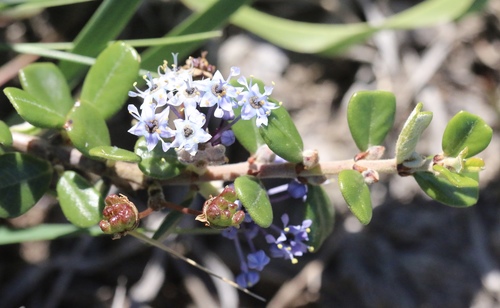
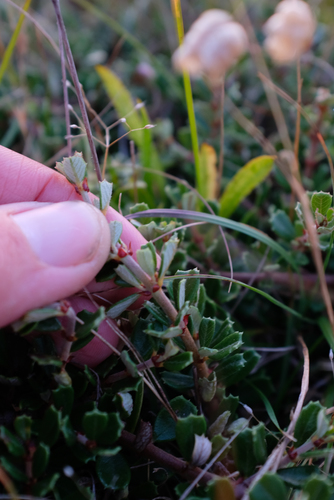
Popcorn Ceanothus
Ceanothus maritimus 'Popcorn'
Care
part shade, full sun
low
Fast, Medium, Slow; Normally found on sand sea bluffs, but tolerant of clay or rocky soils. Reported to tolerate high boron soil. Tolerates saline soil..
2–3ft tall , 3–8ft wide
Jan-Dec
Evergreen
Resistant
Friendly
Yes
Prized
Supports up to 120 butterfly and moth species in Mediterranean California
Coastal bluffs and scrub of San Luis Obispo and Santa Barbara counties, below 500 ft elevation.
Care Guide
Planting
Plant Popcorn Ceanothus in full sun or part shade in fall or winter for best establishment. This rare coastal native thrives in fast-draining soil and tolerates sand, clay, rocky, saline, and even high-boron soils - so don't overthink your soil type. Space it as a low spreading shrub (2–3 feet tall) where it can anchor a slope or bank, and avoid heavy foot traffic areas since it naturally stabilizes coastal bluffs.
After Planting
Water no more than twice a month once established, and expect this evergreen to need less water as it matures. The main mistake Bay Area gardeners make is overwatering - this is a maritime bluff plant that's adapted to lean conditions, so let it dry out between waterings. Bloom appears January through December, and the plant is cold-hardy to -4°F and naturally deer-resistant, so minimal fussing is required to keep it thriving.
Endangered & Threatened Species Supported
Listed under ESA; California Species of Special Concern
California Species of Special Concern
Wildlife Supported
Insects

Early season forage for queen establishment and colony development

Parasitoid wasp utilizing plant-associated insects as hosts

Larval development on plant; adults forage on nectar and pollen

Pollen source for native bee species during spring bloom period

Host plant for larval development; utilized during colony establishment phase
Birds

Year-round nesting and foraging habitat in coastal sage scrub

Dense foliage provides cover in coastal sage scrub habitat