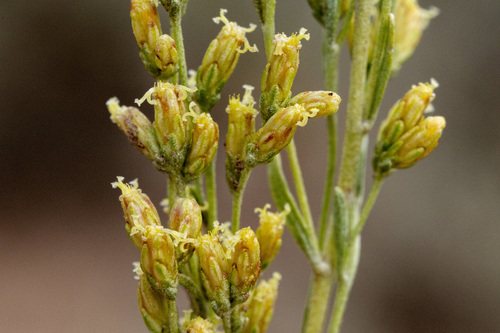
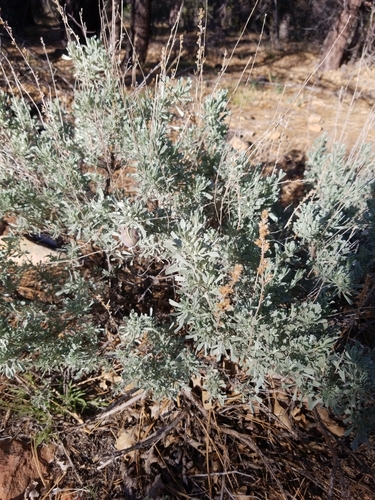
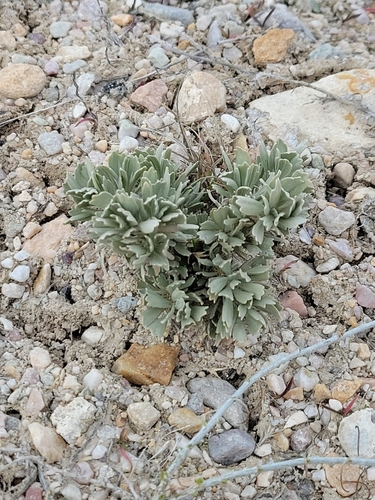
Big Sagebrush
Artemisia tridentata
Care
full sun
very low
Fast, Medium; Prefers coarse, well drained soil such as decomposed granite.
3–15ft tall , 10–10ft wide
Jun-Aug
Evergreen
Yes
Supports up to 64 butterfly and moth species in Mediterranean California
Sagebrush scrub in the Great Basin regions of northeastern California including Modoc, Lassen, and Inyo counties, 4000-8000 ft elevation, extending to Oregon, Nevada, and Idaho
Care Guide
Planting
Plant Big Sagebrush in full sun with fast-draining soil - decomposed granite is ideal. Space it 3–4 feet from other plants since it grows 4 feet tall and wide. Bay Area's fall through early spring is the best planting window. Avoid heavy clay or poorly draining soil, which will kill this drought-adapted shrub faster than neglect.
After Planting
Water weekly for the first summer to establish roots, then taper off to once monthly or less by year two. Once established, Big Sagebrush needs almost no supplemental water - let rainfall do the work. Pruning is minimal; this plant develops an attractive woody trunk naturally and doesn't require shaping. The #1 mistake is overwatering or planting in dense soil - treat it like a desert plant, because it is one.
Endangered & Threatened Species Supported
Listed under ESA in 2015; state listing follows federal status
California Threatened species; population declining
Desert bighorn sheep listed as Threatened under CESA
Wildlife Supported
Birds

Primary diet component year-round; critical winter forage when other foods unavailable

Winter forage and year-round habitat use in sagebrush steppe

Winter resident foraging on sagebrush seeds; important wintering habitat

Winter diet staple in sagebrush habitats; chick diet includes insects on sagebrush

Nesting habitat in sagebrush; forages for insects in understory

Migratory; forages on sagebrush seeds during migration periods
Insects

Important late-season pollen and nectar source; sagebrush honey production

Native bumblebee foraging on sagebrush flowers; important pollinator

Specialist leaf-mining moth; larvae develop within sagebrush leaves

Larval food plant; caterpillars feed on sagebrush foliage

Nymph and adult feeding on sagebrush leaves during growing season

Adult nectar foraging on sagebrush flowers; multiple broods

Caterpillars feed on sagebrush species; adult nectar visitation

Phloem feeder on sagebrush during adult activity period
Mammals

Important winter browse and year-round diet component in sagebrush ecosystems