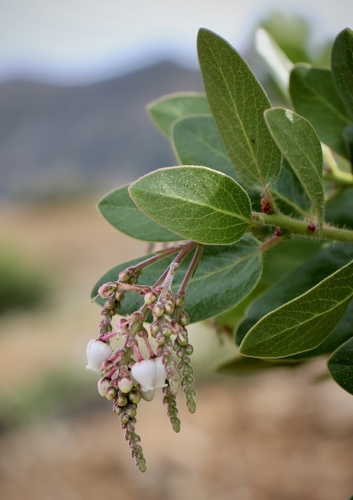
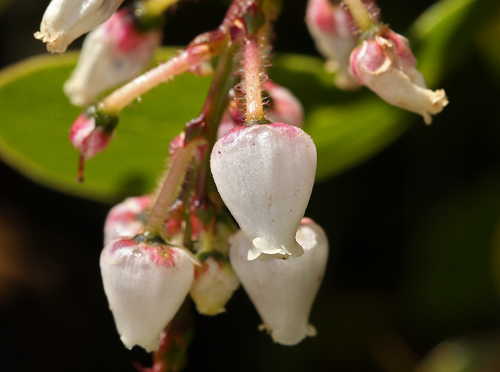
Canyon Sparkles Manzanita
Arctostaphylos insularis 'Canyon Sparkles'
Care
part shade, full sun
very low
Fast, Medium, Slow; Tolerant of sand and clay.
7–16ft tall , 10–10ft wide
Jan-Dec
Evergreen
Resistant
Prized
Berries eaten fresh or made into cider; traditional Indigenous use
Supports up to 68 butterfly and moth species in Mediterranean California
Channel Islands (Santa Cruz Island and possibly other islands) off Santa Barbara County, in coastal sage scrub
Care Guide
Planting
Plant Canyon Sparkles Manzanita in full sun or part shade in a location with fast-draining soil - it tolerates sand, clay, and medium drainage, but excellent drainage is ideal for long-term health. Space plants 7–16 feet apart depending on your desired mature size, and plant in fall or winter when the plant can establish roots before summer heat. This Channel Islands native thrives in Bay Area coastal conditions and will benefit from any fog drip moisture your garden receives.
After Planting
Water weekly during your first summer to help establish a deep root system, then reduce to once monthly by the following summer and beyond. Once established, Canyon Sparkles needs very little supplemental water and should receive no more than one irrigation per month in summer - overwatering is the #1 killer of manzanitas. The plant is evergreen and blooms nearly year-round; minimal pruning is needed, though you can shape it as a hedge or remove dead wood after flowering. Expect moderate care requirements overall, and enjoy a deer-resistant shrub that will reward you with orange-brown berries and continuous flowers.
Visit Calscape for more information about Canyon Sparkles Manzanita
Endangered & Threatened Species Supported
Brush rabbit is a Species of Special Concern
Wildlife Supported
Birds

Key fall migration fuel; berries consumed during southbound migration
Consume manzanita berries in fall and winter as important food source

Important seasonal food source during migration and winter months
Insects

Host-specific aphid; populations peak spring through fall
Manzanita pollen and nectar sources for emerging spring populations

Feeds on manzanita leaves; overwinters on host plant
Mammals

Browse foliage and young stems; uses shrub for shelter

Browse leaves and stems, particularly important winter forage in canyon habitats

Browsing on leaves and stems; shelter in dense manzanita stands
Cache manzanita seeds; important autumn food resource