Louis Edmunds Manzanita
Arctostaphylos bakeri 'Louis Edmunds'
Care
full sun, part shade
very low
Medium, Slow; unamended well drained but tolerant of clay soils. Tolerates serpentine soil..
3–10ft tall , 10–10ft wide
Jan-Dec
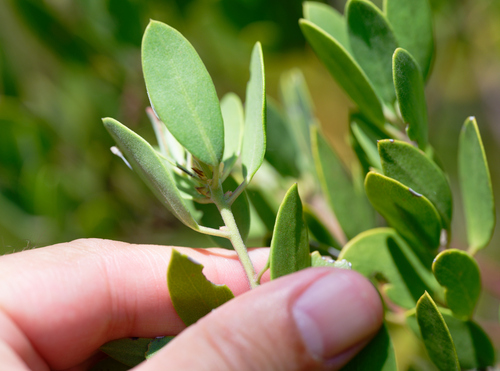
Evergreen
Resistant
Prized
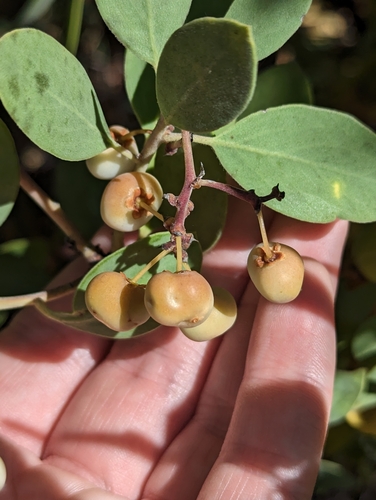
Berries eaten fresh or made into cider; traditional Indigenous use
Supports up to 68 butterfly and moth species in Mediterranean California
Coastal scrub and chaparral in Sonoma County, particularly around Mt. St. Helena area, below 2500 ft elevation
Care Guide
Planting
Plant Louis Edmunds Manzanita in full sun in fall or winter. It thrives in medium to slow-draining soil and tolerates clay, so skip the soil amendments - plant it as-is in a spot with decent drainage. Space it according to its mature size of 3 to 10 feet tall. Pair it with other North Coast natives like California Barberry, Point Reyes Ceanothus, or Redflower Currant for a cohesive native garden.
After Planting
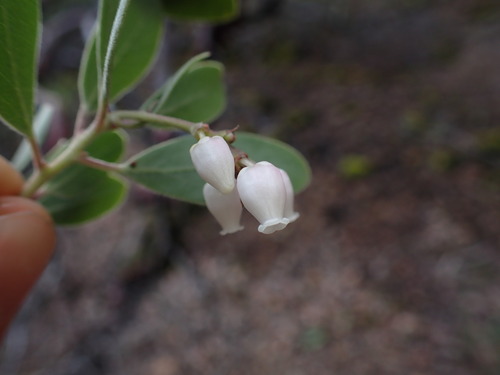
Water weekly during your first summer to establish the plant, then stop all summer watering once it's established in year two - this manzanita is extremely drought-tolerant and actually prefers dry conditions. The Calscape data doesn't specify pruning details, so focus on getting through that critical first summer without overwatering afterward, which is the #1 mistake people make with this species. This is an easy-care evergreen that will reward you with urn-shaped flowers in winter and spring for years to come.
Visit Calscape for more information about Louis Edmunds Manzanita
Endangered & Threatened Species Supported
Brush rabbit is a Species of Special Concern
Wildlife Supported
Birds

Early spring breeding season nectar source

Spring migration and early breeding nectar

Summer berries for fledgling nutrition

Year-round resident, uses berries when available
Insects

Early spring forager when manzanita blooms

Host-specific aphid on manzanita species

Spring and early summer nectar source

Spring blooms provide early nectar
Mammals

Uses dense manzanita for shelter and browse

Fall and winter browse on manzanita foliage