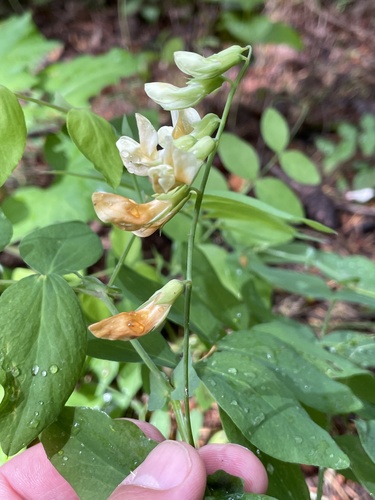
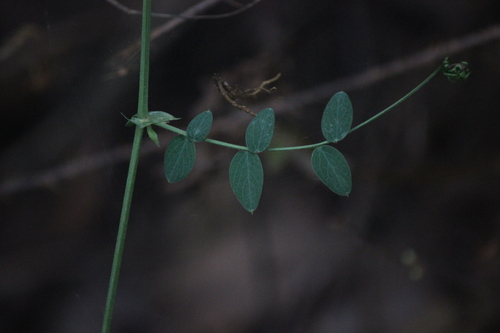
Pacific Pea
Lathyrus vestitus var. vestitus
Care
full sun, part shade
very low
Fast, Medium, Slow; Tolerates sandy or clay loam.
4–4ft tall
Jan-Dec
Evergreen
Friendly
Prized
Seeds cooked and eaten; traditional Indigenous food source
Coastal scrub and grasslands from Santa Barbara County north to Humboldt County, below 2000 ft elevation.
Care Guide
Planting
Plant Pacific Pea in full sun with fast to slow-draining soil - it tolerates sandy or clay loam, so you have flexibility here. This native vine climbs through other plants naturally, so give it a structure or companion planting to scramble through. The Bay Area's mild winters mean you can plant in fall or early spring; the plant flowers winter through spring, so fall planting gives you blooms sooner.
After Planting
Water very sparingly once established - this is a drought-tolerant native that prefers dry conditions, so err on the side of underwatering rather than overwatering. The #1 mistake is treating it like a typical garden plant and watering it regularly; in the Bay Area, summer water is usually unnecessary. Year one, water occasionally during establishment, then back off substantially. The plant is evergreen, so you'll have foliage year-round to enjoy between its purple or white flower clusters.
Endangered & Threatened Species Supported
Federal Threatened; California Endangered; Species of Special Concern
California listed as Threatened
California Threatened; Species of Special Concern
Wildlife Supported
Insects

Adult forage on flowers during blooming season

Adult forage on native pea flowers

Adult specialist bee forages on legume pollen

Spring generation larvae feed on vetch foliage

Larvae feed on Lathyrus foliage in early spring

Larvae utilize Lathyrus as primary host plant

Early spring larvae feed on legume foliage

Adult forage on legume flowers
+8 more species