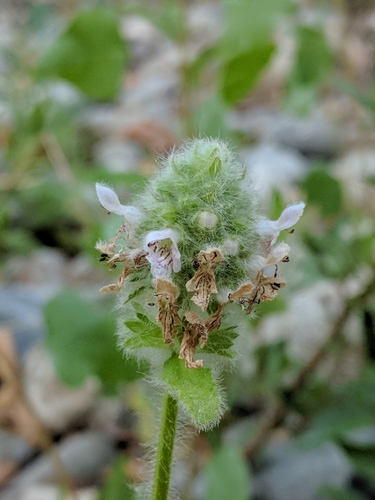
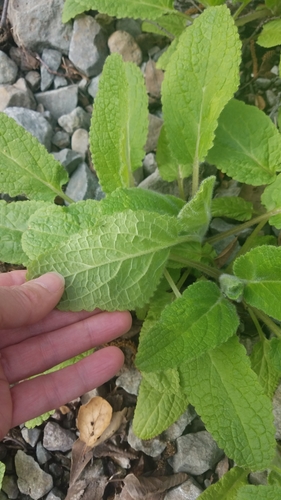
Shortspike Hedgenettle
Stachys pycnantha
Care
part shade
low
2–3ft tall
Resistant
Friendly
Yes
Prized
Tubers eaten cooked; traditional Indigenous food source
Oak woodlands and chaparral of the Coast Ranges and adjacent foothills from the North Bay to San Luis Obispo County, below 3000 ft elevation.
Care Guide
Planting
Plant your Shortspike Hedgenettle in partial shade in a location with good drainage - this native thrives in the moist foothill and woodland habitats of California. Space it about 2-3 feet apart since it will grow 2-3 feet tall with multiple stems. Fall or early spring planting gives it the best chance to establish before summer heat.
After Planting
Water weekly through your first summer to help it establish, then transition to low water once the plant is growing vigorously - it's adapted to natural California moisture patterns and doesn't need supplemental water in subsequent years. The main mistake is overwatering; this is a drought-tolerant native that prefers drier conditions once established. Expect it to attract hummingbirds, butterflies, and caterpillars, making it a wildlife magnet in your garden.
Visit Calscape for more information about Shortspike Hedgenettle
Wildlife Supported
Insects

Early season nectar source for queen establishment and colony founding
Pollen and nectar resource for diverse native bee species during spring activity period
Host plant for native butterfly and moth larvae; critical for specialized herbivores

Early season nectar foraging for colony initiation

Pollen foraging during early spring reproductive period

Early season pollen resource for brood provisioning