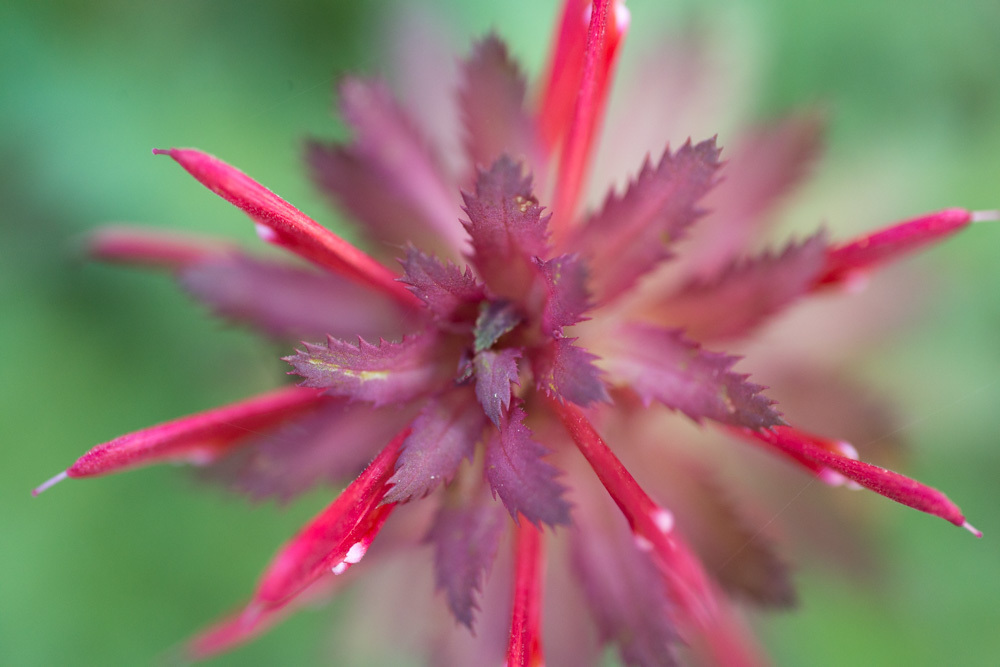
Indian Warrior

Pedicularis densiflora

perennial herbView on Calscape
Care
Sun

full sun, part shade

Water

very low

Soil

Fast, Medium, Slow; Adaptable.

Size

2–2ft tall

Bloom

Jan-Dec

Deer

Resistant

Container

Friendly

Flowers

Prized

Native Range

Moist forests and woodlands of the Coast Ranges and Sierra Nevada foothills from Santa Cruz County to Shasta County, below 4000 ft elevation.

Care Guide

Planting

Plant Indian Warrior in full sun to part shade in well-draining soil - it's adaptable to fast, medium, or slow drainage, so soil type is flexible. Choose a spot in your garden that mimics its native woodland and chaparral habitat: dry, sunny areas work best. Plant in fall or winter to take advantage of the Bay Area's rainy season for establishment. If you want to support its natural habit, plant it near manzanita or other heath family plants, which it may parasitize for extra vigor.

After Planting

Water very lightly and infrequently once established - this is a drought-tolerant native that needs minimal supplemental water beyond winter rains. After the first growing season, you can essentially forget about watering unless you're in an extreme drought year. The plant's dormancy pattern is unclear, so watch for winter die-back; the Calscape data lists blooms across all months, suggesting variable flowering. The biggest mistake Bay Area gardeners make is overwatering: this plant evolved for dry foothills, so err on the side of neglect rather than generosity.

Visit Calscape for more information about Indian Warrior

Endangered & Threatened Species Supported
Edith's checkerspot butterflyEuphydryas editha

Some subspecies federally protected; species has state endangered designation

CA: Endangered
Chalcedon CheckerspotEuphydryas chalcedona

California Species of Special Concern

CA Special Concern
Brush RabbitSylvilagus bachmani

Brush rabbit is a Species of Special Concern

CA Special Concern
Wildlife Supported

Insects

Larval Host · Spring

Important larval host; caterpillars feed on foliage during spring development

Larval Host · Spring

Primary larval host plant; caterpillars feed on foliage in spring months

Nectar · Spring

Spring blooms provide early season nectar for colony development

Nectar · Spring

Spring nectar source for queens establishing colonies

Nectar · Spring

Spring foraging for nectar and pollen when colony expands

Pollen · Spring

Early spring pollen foraging for brood provisioning

Birds

Nectar · Spring

Spring blooms provide nectar during breeding season

Mammals

Foliage · Year-Round

Browsing on herbaceous foliage; available throughout growing season

Where to Buy
Native Here Nursery

101 Golf Course Dr, Tilden Regional Park, Berkeley

Sat 10am-2pm

3.0 mi(510) 549-0211WebsiteDirections