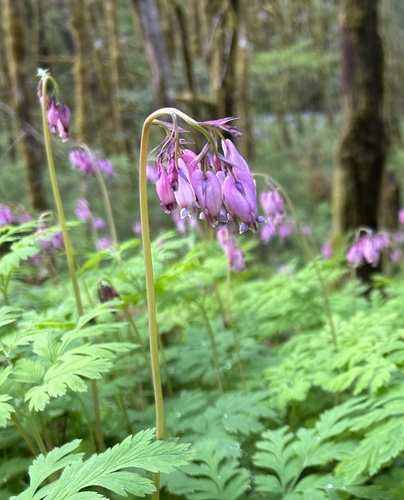
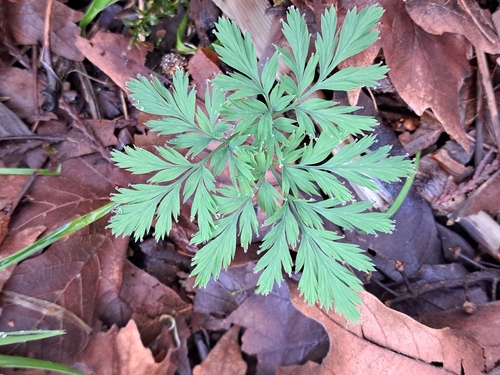
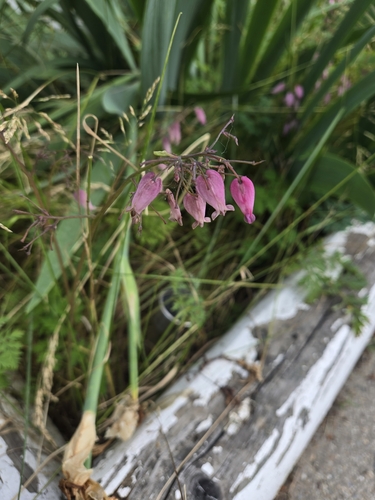
Bleeding-heart
Dicentra formosa
Care
full sun, part shade
moderate
Medium; Prefers rich, well drained soil.
0–1ft tall , 3–3ft wide
Mar-Aug
Deciduous
Resistant
Friendly
Prized
Coastal Ranges and Sierra Nevada from the Oregon border south to Kern County, typically between 1000-6000 ft elevation in moist woodland and shade.
Care Guide
Planting
Plant your bleeding heart in spring or fall in a spot with part shade (especially important in the Bay Area's warmer microclimates, though it can handle more sun in cooler areas). It needs rich, well-drained soil with medium drainage - amend heavy clay with compost before planting. Space plants about 12-18 inches apart since they'll spread via underground roots and self-seeding. This is a woodland plant at heart, so it thrives in moist, shady garden spots and makes an excellent groundcover.
After Planting
Water moderately and consistently through your first summer - aim for about 2-3 times per month once the plant is established. Expect your bleeding heart to flower in spring, then go dormant and disappear entirely during summer heat; this is normal, not dead. It may re-emerge and flower again in fall. The #1 mistake is overwatering during dormancy or panicking when the plant vanishes - resist the urge to dig it up or add water. Let it rest, and it will return.
Endangered & Threatened Species Supported
Listed as Endangered under CESA
Wildlife Supported
Insects

Spring pollinator of Dicentra flowers

Larvae feed on Dicentra formosa leaves in spring; single generation per year

Spring forager; visits flowers during bloom period

Early spring forager in coastal and montane regions of California

Fungal pathogen affecting plant foliage throughout growing season

Spring pollinator, particularly important in northern California woodlands

Mountain and foothill populations forage on spring ephemeral flowers

Caterpillar food plant in spring months
+3 more species