← Back to results

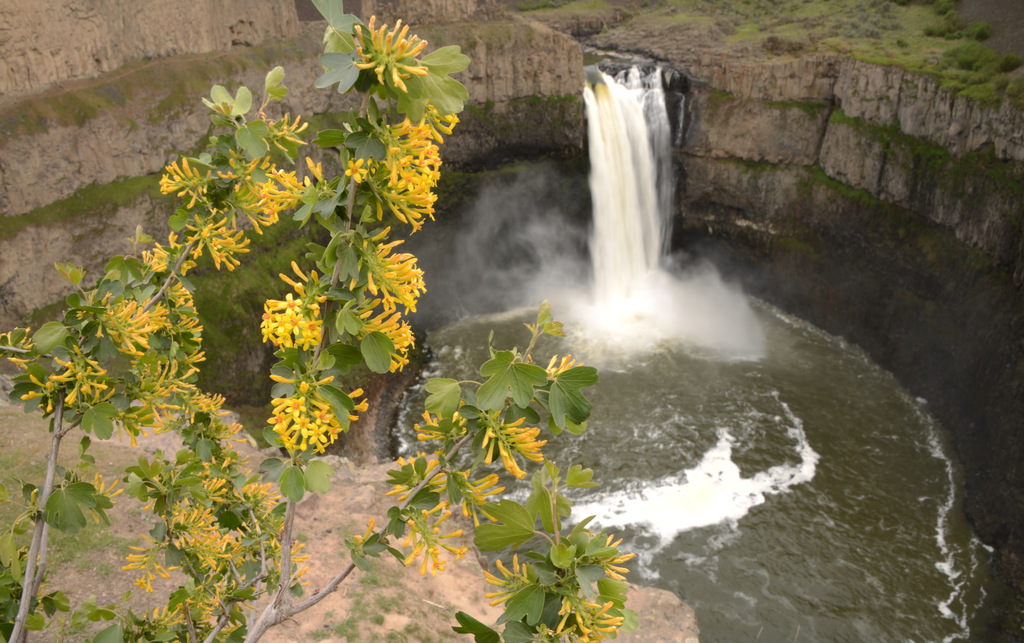
Golden Currant

Ribes aureum

Care

Sun

full sun, part shade

Water

low

Soil

adaptable; tolerates clay and moist soils

Size

3–8ft tall , 3–6ft wide

Bloom

Mar-May · yellow

Foliage

Deciduous

Deer

Resistant

Container

Friendly

Fragrant

Yes

Flowers

Prized

Edible

Berries eaten fresh or cooked

Native Range

Western North America from British Columbia to Mexico

Clusters of fragrant golden-yellow tubular flowers

Spice-scented flowers; excellent fall color; edible berries

Care Guide

Planting

Plant golden currant in fall or winter when the plant is dormant. If you're on the coast, choose a full sun spot; if you're inland, part shade is ideal - it grows especially well under oak trees. This shrub tolerates a wide range of soils including clay and poorly drained conditions, so don't stress about perfect drainage. Space plants 3–5 feet apart since they spread readily.

After Planting

Water weekly for the first growing season to establish the plant, then taper off to a maximum of twice monthly once established - this is a low-water plant, so less is better. Mulch around the base, especially in drier inland areas, to help retain moisture and suppress weeds. Once established, golden currant needs essentially no special care and will even tolerate cold down to 0°F. The biggest mistake is overwatering established plants; resist the urge to coddle it, as it genuinely prefers dry conditions once its roots are settled.

Visit Calscape for more information about Golden Currant

Wildlife Supported

Insects

Larval Host · Year-Round

Multi-generational larval host; overwinters as adult

Nectar · Spring

Spring forager for newly emerged queens

Larval Host · Spring

Larval host plant; caterpillars Mar-Apr

Pollen · Spring

Specialist pollen collector during emergence period

Nectar · Spring

Early pollen and nectar source for colony establishment

Nectar · Spring

Adults nectaring Mar-May

Nectar · Spring

Early season nectar source Mar-Apr

Birds

Nectar · Spring

Critical early spring nectar source for northbound migrants

Nectar · Spring

Early nectar source Mar-May during breeding season establishment

Fruit · Year-Round

Berry consumption during nesting season Jun-Jul

Fruit · Winter

Rare winter visitor to western populations; berry forager

Fruit · Year-Round

Consumes ripening berries May-Jun during breeding season

Fruit · Winter

Irregular winter visitor, feeds on persistent dried berries

Where to Buy

Oaktown Native Plant Nursery

702 Channing Way, Berkeley

Wed-Sun 10am-5pm

1.0 mi (510) 387-9744 Website
East Bay Wilds

2110 Eighth St, Suite 202, Berkeley

Fri 9:30am-4pm (occasional Sat, call ahead)

1.5 mi (510) 409-5858 Website
Native Here Nursery

101 Golf Course Dr, Tilden Regional Park, Berkeley

Sat 10am-2pm

3.0 mi (510) 549-0211 Website
Curious Flora

12040 San Pablo Ave, Richmond

Daily 9am-4pm

7.0 mi (510) 215-3301 Website