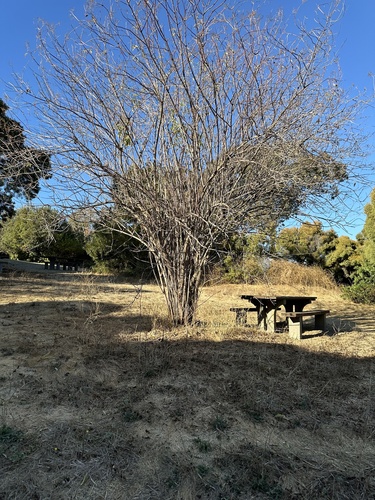
Mexican Elder
Sambucus mexicana
Care
full sun, part shade
low
Fast, Medium; Tolerates a variety of soils but prefers well-drained soils with moisture.
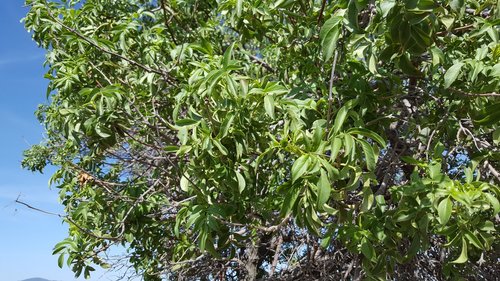
20–30ft tall , 20–30ft wide
Mar-Aug
Deciduous
Resistant
Friendly
Yes
Prized
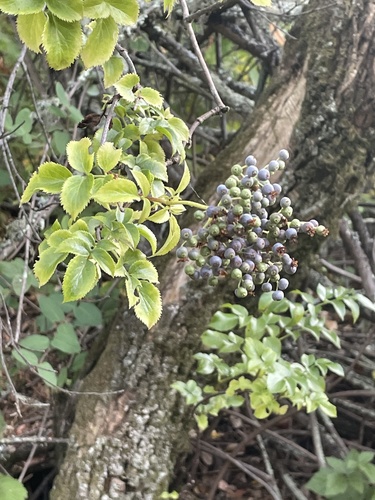
Berries cooked into syrups, jams, and traditional drinks; flowers edible
Oak woodland and chaparral of the Sierra Nevada foothills and interior Coast Ranges from Kern to Plumas County, 1500-4000 ft elevation
Care Guide
Planting
Plant Mexican Elder in full sun to part shade in a location with well-drained soil that retains some moisture - it tolerates a variety of soil types but prefers rich, well-drained earth. Space it generously since this is a fast-growing shrub that can reach 20–30 feet tall. Plant in fall or early spring to give it time to establish before summer heat.
After Planting
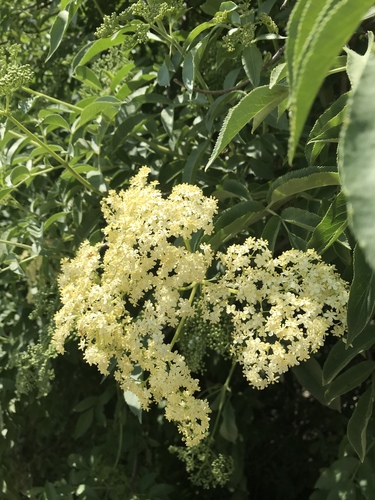
Water weekly for the first summer to establish roots, then taper off to once a month or less once established - this is a low-water plant once it's settled in. In year one, expect vigorous growth and beautiful cream-colored flower clusters in spring. Prune as needed to shape it and manage its size, since it grows quickly and can be easily trained. The #1 mistake is overwatering after the first year; resist the urge to irrigate frequently, as this plant thrives on minimal summer water in the Bay Area.
Endangered & Threatened Species Supported
Brush rabbit is a Species of Special Concern
Wildlife Supported
Birds

Primary fruit consumer Jul-Sep during breeding and pre-migration

Important frugivore in southern California chaparral and oak woodlands

Critical fall fruit resource during southward migration Aug-Sep

Seasonal fruit source during migration and overwintering Sep-Feb
Mammals

Important caloric resource for pre-hibernation foraging Jul-Oct

Browse leaves and tender shoots, particularly in winter

Browse on leaves and stems, shelter in dense growth