← Back to results

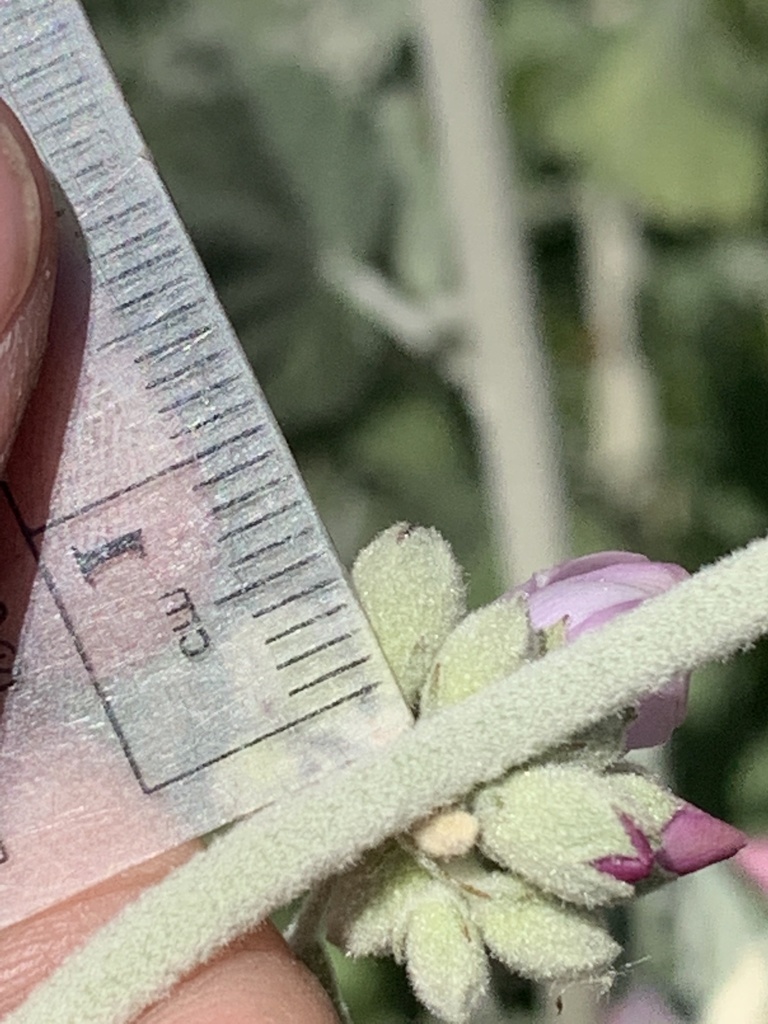
Desert Mallow*

Malacothamnus hallii

Care

Sun

full sun

Water

very low

Soil

well-draining, sandy or gravelly soil

Size

3–6ft tall , 3–6ft wide

Bloom

May-Sep

Foliage

Deciduous

Deer

Resistant

Container

Friendly

Flowers

Prized

Native Range

Desert scrub and interior washes of the southern Sierra Nevada and Mojave Desert margins in Kern and Inyo Counties, 2000-4000 ft elevation

Care Guide

Planting

Plant Desert Mallow in full sun with well-draining, sandy or gravelly soil - drainage is critical for this desert native. Space plants 3-6 feet apart to accommodate their mature size of 3-6 feet tall. Plant in spring or fall when temperatures are moderate, and avoid heavy clay soils that retain moisture, as this plant thrives on very low water once established.

After Planting

Water weekly during your plant's first summer to establish deep roots, then gradually reduce watering as fall approaches. By year two, Desert Mallow should need water only during extreme heat or drought; it's adapted to thrive on rainfall alone in most Bay Area conditions. Prune lightly after flowering (which runs May through September) to maintain shape, and expect the plant to go dormant and lose its leaves in winter - this is normal. The biggest mistake people make is overwatering; treat this like the drought-tolerant desert plant it is, and it will reward you with years of trouble-free blooms.

Visit Calscape for more information about Desert Mallow*

Endangered & Threatened Species Supported

California kangaroo rat Dipodomys californicus
Federal: Endangered, CA: Endangered

Endemic to California, habitat loss from urban development

Bewick's wren Thryomanes bewickii
CA Special Concern

Species of Special Concern in California

Brush Rabbit Sylvilagus bachmani
CA Special Concern

Brush rabbit is a Species of Special Concern

California scrub-jay Aphelocoma californica
CA Special Concern

California Species of Special Concern

Wildlife Supported

Birds

Shelter · Year-Round

Dense branches provide nesting and roosting cover

Shelter · Year-Round

Nesting and territorial cover in coastal sage scrub habitat

Seeds · Fall

Seeds consumed during autumn and winter months

Foliage · Year-Round

Gleans insects from foliage year-round

Mammals

Shelter · Year-Round

Dense branching structure provides nest site protection

Foliage · Year-Round

Primary browse species for small mammals in coastal sage scrub

Foliage · Year-Round

Browse during drought years when herbaceous layer limited

Seeds · Year-Round

Seeds cached for winter food stores

Seeds · Fall

Fall seed collection for winter caching

Where to Buy

Native Here Nursery

101 Golf Course Dr, Tilden Regional Park, Berkeley

Sat 10am-2pm

3.0 mi (510) 549-0211 Website