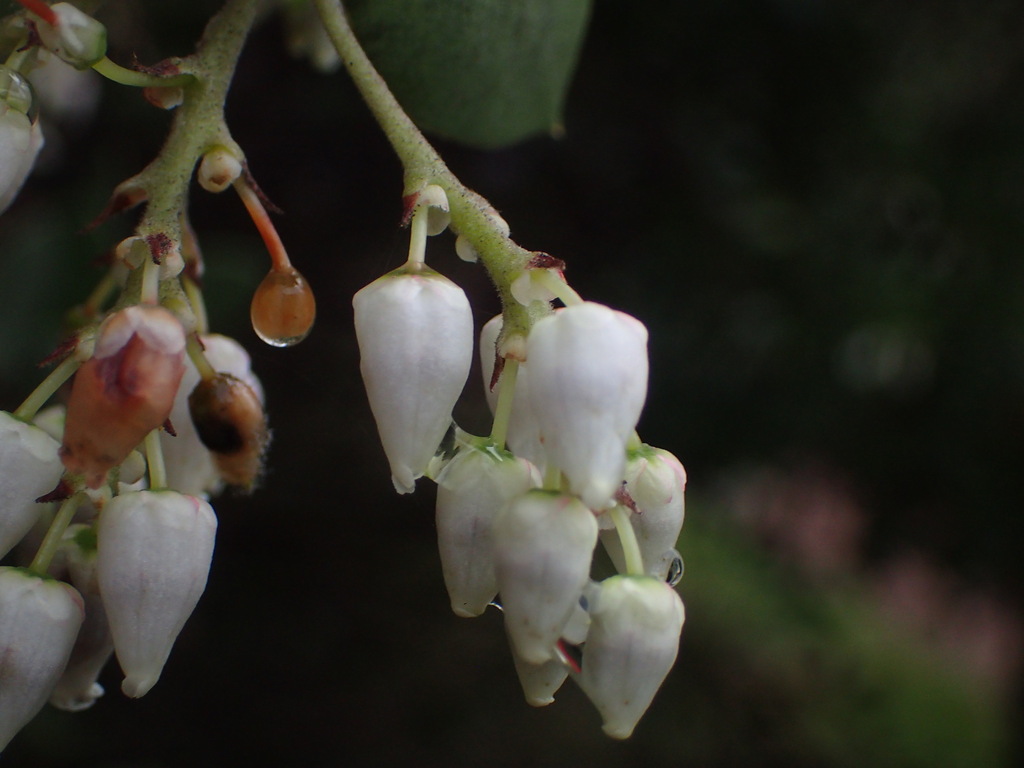
Whiteleaf Manzanita
Arctostaphylos manzanita subsp. laevigata
Care
full sun, part shade
very low
Medium, Slow; Tolerant of clay or alluvial soil.
6–20ft tall , 10–10ft wide
Jan-Dec
Evergreen
Resistant
Friendly
Berries made into cider drink, traditional Indigenous use
Supports up to 68 butterfly and moth species in Mediterranean California
Chaparral and pine woodlands of the Sierra Nevada foothills from 2000-4000 ft elevation, endemic to specific areas in the western slope.
Care Guide
Planting
Plant your Whiteleaf Manzanita in full sun with well-draining soil - it tolerates clay and alluvial soils but prefers medium to well-draining conditions. Space according to your mature plant's size (6–20 ft depending on the specific variety) and plant in fall or winter when the plant is dormant, which gives it time to establish before summer heat. This California native is evergreen and will provide structure and sculptural branching year-round in your garden.
After Planting
Water weekly during your plant's first summer, then reduce to once monthly once established - it's a low-water plant that needs minimal summer irrigation. The biggest mistake Bay Area gardeners make is overwatering; after establishment, let it rely on winter and spring rains rather than summer water. Prune only as needed for shape, and enjoy the delicate white flowers blooming in winter and spring without any special maintenance.
Visit Calscape for more information about Whiteleaf Manzanita
Endangered & Threatened Species Supported
California Species of Special Concern; monarch populations declining
Wildlife Supported
Arachnids
Foliar infection; significant disease vector in California
Birds
Year-round resident in California; critical early season nectar source for breeding
Insects
Spring bloom period foraging
Larval development on manzanita leaves; specialist host plant
Spring migration stopover; critical nectar source for northbound populations
Early spring foraging; important native pollinator
Spring bloom period nectar source
Early spring nectar and pollen source during bloom period
Wood-boring larvae develop in stems; year-round presence
Larval feeding on flowers and developing fruits
+3 more species
Mammals
Browsing on leaves and twigs; important winter forage when other vegetation scarce