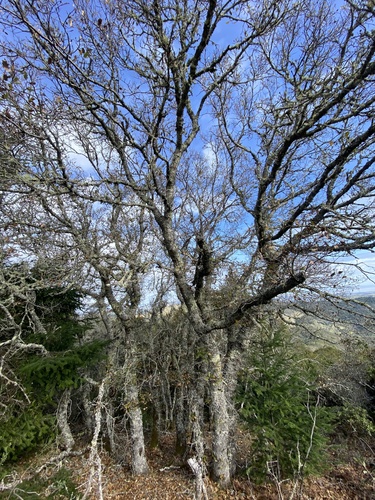
California Black Oak
Quercus kelloggii
Care
full sun, part shade
low
Medium; Occurs in many soil types. Prefers acidic soil. Tolerates serpentine soil..
20–120ft tall , 35–35ft wide
Jan-Dec
Deciduous
Resistant
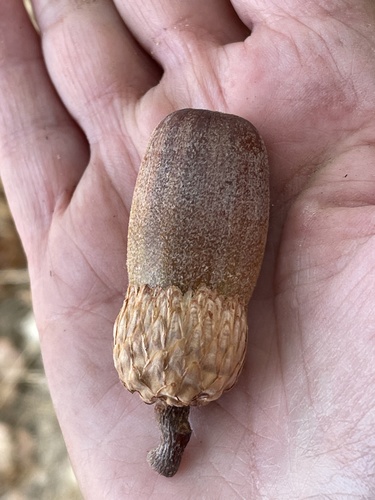
Acorns leached and ground into flour for traditional food
Supports up to 275 butterfly and moth species in Mediterranean California
Mixed conifer and oak forests of the Sierra Nevada, Coast Ranges, and Cascade Range from 2000-7000 ft elevation, extending into Oregon.
Care Guide
Planting
Plant your California Black Oak in full sun with medium drainage soil - it tolerates many soil types but prefers acidic conditions. Space it generously, as this deciduous tree grows large (20–120 feet) with a spreading root system. Fall is an ideal planting time in the Bay Area, giving roots time to establish before summer heat.
After Planting
Water weekly for the first summer, then transition to no more than twice monthly once established - this is a drought-tolerant tree with low water needs. Year one is about letting it settle in; expect the tree to lose its leaves in winter (normal for deciduous oaks) and leaf out again in spring. The #1 mistake Bay Area gardeners make is overwatering. Once established, trust that Black Oak can handle our dry summers without supplemental irrigation.
Visit Calscape for more information about California Black Oak
Endangered & Threatened Species Supported
Western gray squirrel listed as Threatened under CESA; Species of Special Concern
California Species of Special Concern
California Species of Special Concern
California Species of Special Concern
Wildlife Supported
Birds

Acorn caching and consumption Sep-Dec; major seed disperser supporting oak regeneration

Primary food source during acorn ripening season; critical for post-breeding nutrition and migration preparation
Mammals

Critical fall mast crop; acorns consumed heavily Sep-Nov for hyperphagia before hibernation

Critical acorn consumer Sep-Nov; caches acorns for winter food and aids in oak regeneration

Acorn caching and consumption Sep-Nov; important seed disperser and energy source for overwintering
Insects

Larval host plant; major defoliator of coast live oak and related species during Mar-May outbreaks

Larval host plant; caterpillar emergence and feeding Apr-Jun on new foliage

Larval host plant; foliage feeding during caterpillar development Apr-Jun

Dead wood and declining trees host numerous wood-decay fungi supporting saproxylic insects and fungal networks

Larval host plant; caterpillars feed on oak foliage during spring-early summer development

Larval wood/bark borer; larvae develop within trees, particularly stressed individuals
Leaf-mining and bark-feeding larvae; year-round presence on black oak foliage and bark

Larval host plant; caterpillars feed on emerging oak leaves May-Jun
+2 more species