← Back to results

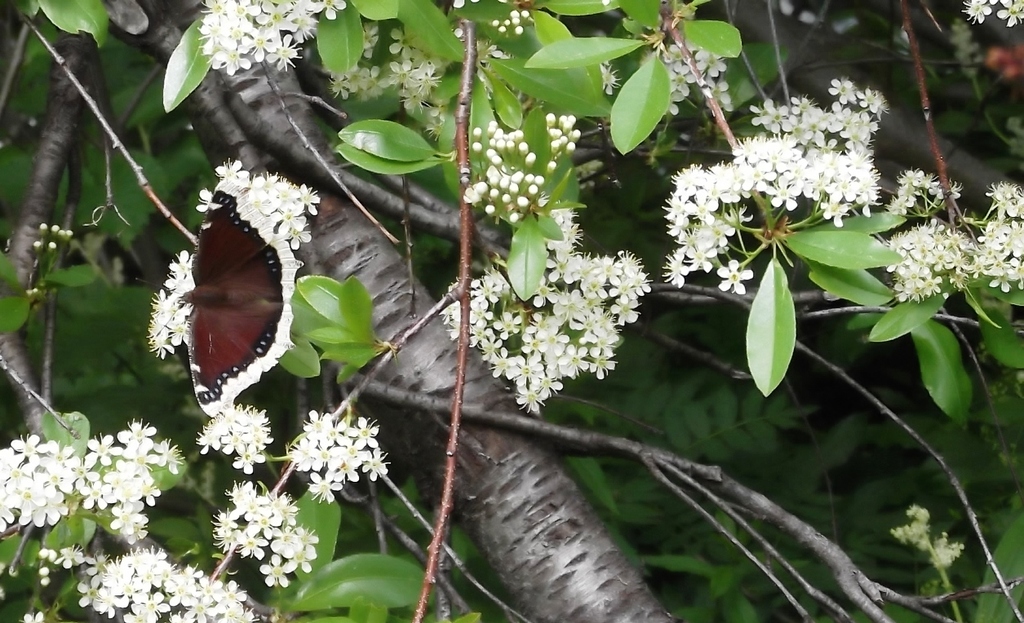
Bitter Cherry

Prunus emarginata

Care

Sun

full sun, part shade

Water

very low

Soil

Medium, Slow; Tolerates clay but does best in moist loamy soil.

Size

3–80ft tall

Bloom

Mar-May

Foliage

Deciduous

Flowers

Prized

Keystone Plant

Supports up to 262 butterfly and moth species in Mediterranean California

Native Range

Mixed conifer and oak forests of the northern Sierra Nevada, Cascade Range, and northwestern California from 2000-7000 ft elevation, extending to Oregon and Washington.

Care Guide

Planting

Plant your Bitter Cherry in full sun with well-draining soil - it tolerates clay but truly thrives in moist loamy soil with medium to slow drainage. Space it where it has room to grow into a small tree (3–80 feet depending on variety), and plant in fall or early spring during the dormant season. Avoid compacted or waterlogged sites, since even a drought-tolerant native needs decent drainage to establish.

After Planting

Water weekly during your first summer to establish roots, then taper off as the plant matures - Bitter Cherry is very low water once established and actually prefers dry conditions, so overwatering is the #1 mistake Bay Area gardeners make with this one. Expect the plant to drop its leaves in winter (it's deciduous), and prune only to shape it during dormancy if needed. Year one is about getting roots down; don't expect major growth until year two.

Visit Calscape for more information about Bitter Cherry

Endangered & Threatened Species Supported

California Tortoiseshell Nymphalis californica
CA Special Concern

California Species of Special Concern; population fluctuations noted

Wildlife Supported

Birds

Nectar · Spring

Early spring nectar source during flowering period; critical for breeding season energy

Insects

Nectar · Spring

Forages on early spring flowers; important for queen nutrition post-hibernation

Larval Host · Spring

Larvae feed on emerging foliage April-May; critical early season food source

Larval Host · Spring

Primary larval host plant; supports multiple broods spring through summer

Nectar · Spring

Early spring forager on Prunus flowers; critical for establishing nests

Larval Host · Spring

Larval host plant; supports spring emergence and population development

Larval Host · Spring

Larvae feed on young foliage in spring and early summer

Larval Host · Spring

Larvae feed on emerging foliage in spring

Nesting · Spring

Nesting substrate on branches and twigs; nest construction begins in spring

+5 more species

Where to Buy

Native Here Nursery

101 Golf Course Dr, Tilden Regional Park, Berkeley

Sat 10am-2pm

3.0 mi (510) 549-0211 Website