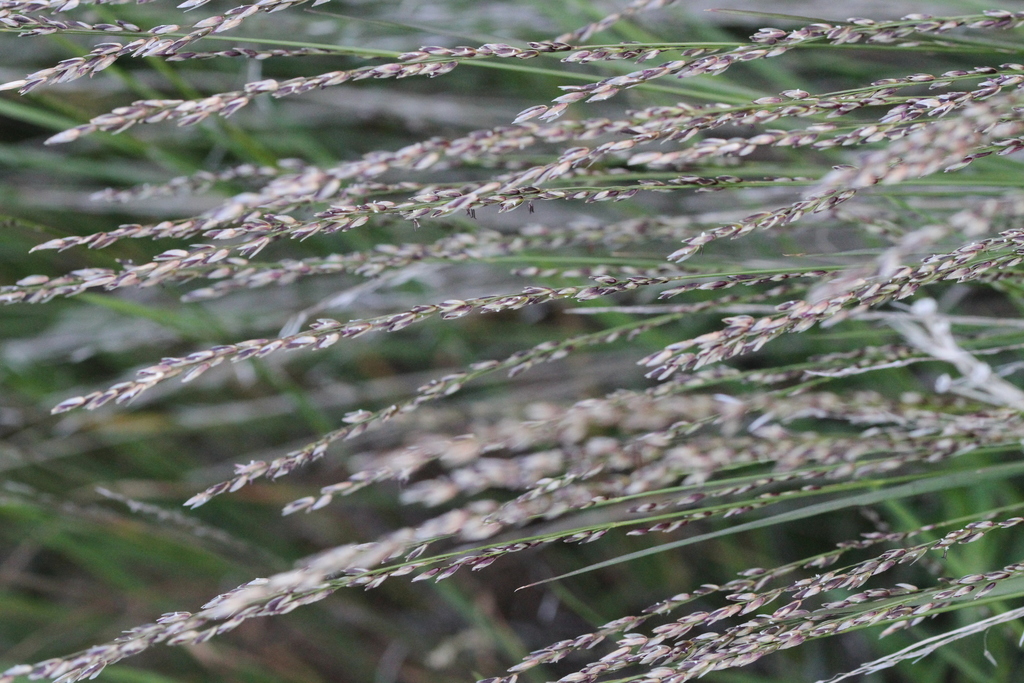
Torrey's melicgrass
Melica torreyana
Care
full sun, part shade
very low
Medium; Tolerates a variety of soils. Tolerates serpentine soil..
1–3ft tall , 1–1ft wide
Mar-Aug
Deciduous
Friendly
Coastal bluffs and grasslands from Sonoma County to San Luis Obispo County, below 1500 ft elevation, endemic to the central California coast.
Care Guide
Planting
Plant Torrey's Melicgrass in spring in a spot with full sun if you're near the coast, or part shade if you're inland away from fog. This grass tolerates a wide range of soils including poor soil and serpentine, and prefers medium drainage - it's not fussy about soil conditions, which makes it ideal for many Bay Area gardens. Space plants about 1 to 2 feet apart to allow for their clumping growth habit.
After Planting
Water regularly the first summer to establish the plant, then cut back to a maximum of twice per month once it's established. In the fog belt or with occasional water, your plant will stay evergreen; without supplemental water, expect it to go dormant in dry seasons. The #1 mistake is overwatering - this is a very-low-water native grass, and excess moisture can rot the roots, so err on the side of dry once established.
Visit Calscape for more information about Torrey's melicgrass
Endangered & Threatened Species Supported
Species of Special Concern in California
Wildlife Supported
Birds
Dense grass clumps provide nesting sites and concealment during breeding season
Primary seed consumption during fall and winter months when other food sources diminish
Ground foraging on grass seeds during winter months in California coastal sage scrub habitat
Winter resident foraging on grass seeds, particularly during migration staging and overwintering
Insects
Nymphal and adult herbivory during summer months in California grasslands
Mammals
Foliage browsing available throughout year in arid and semi-arid California habitats
Year-round seed foraging in coastal sage scrub and grassland habitats
Seed harvesting and caching during fall months for overwinter food storage