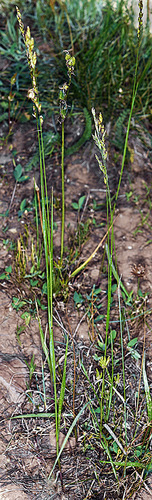
Onion grass
Melica bulbosa
Care
Adaptable, tolerant of sand, loam and clay.
2–2ft tall
Mar-May
Friendly
Bulbs eaten raw or cooked; traditionally used by Indigenous peoples
Grasslands and oak woodlands throughout California from the north coast to the southern Sierra Nevada, below 3000 ft elevation.
Care Guide
Planting
Plant your oniongrass in spring (March through May, its natural blooming season) in well-draining soil - it's highly adaptable and tolerant of sand, loam, and clay, so soil type is flexible. Choose a location that mimics its native habitat: open hillsides or woodland edges work well in the Bay Area. Space plants about 2 feet apart since they reach 2 feet in height at maturity.
After Planting
Water regularly during your first summer to establish the plant, then taper off as it matures since oniongrass thrives in conditions similar to its native mountain and streambank habitats. The main mistake Bay Area gardeners make is overwatering once the plant is established - this native is adapted to survive on seasonal moisture, so let it dry out between waterings after the first year. No pruning is typically needed for ornamental grasses like this one.
Endangered & Threatened Species Supported
Endemic to California, habitat loss from urban development
Wildlife Supported
Birds

Resident and migratory populations utilize seeds across seasons in native grasslands

Critical winter forage in California grasslands; migrant populations Oct-Mar

Wintering populations forage heavily on grass seeds Nov-Mar in California
Insects

Obligate pathogen; sporulation cycles spring through fall in California grasslands

Infection during wet spring and fall periods in California coastal grasslands

Peaks during cool, dry spring and fall conditions typical of California
Mammals

Specialist seed harvester; caches seeds; endemic to California grasslands

Grazes native grass; important prey base for raptors and coyotes