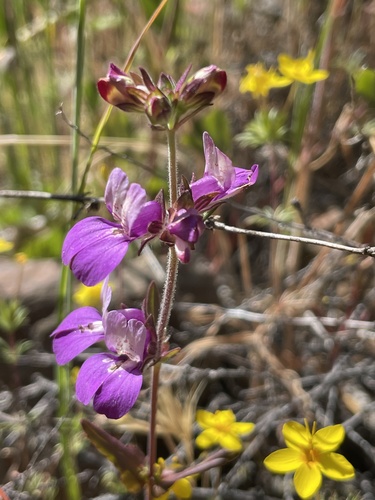
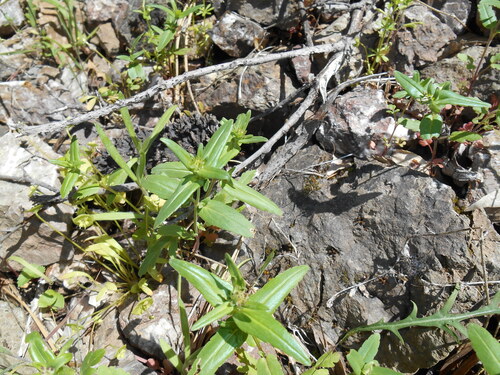
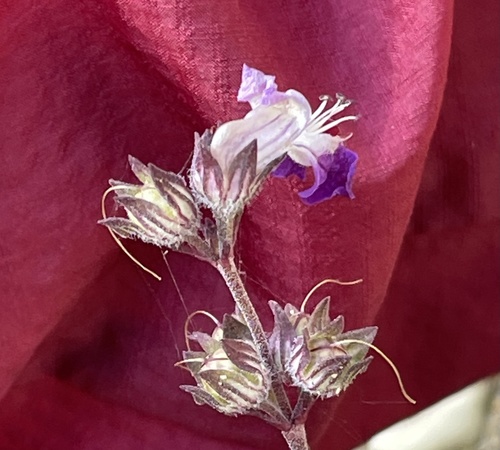
Chinese Houses
Collinsia heterophylla
Care
part shade, full sun
low
Medium; Prefers rich, loamy soil.
0–1ft tall , 0–0ft wide
Jan-Dec
Friendly
Prized
Central Valley and coastal foothills from Kern County north to Shasta County, below 4000 ft elevation in grasslands and oak woodlands.
Care Guide
Planting
Plant Chinese Houses in fall in an area that gets part shade to full sun, clearing away weeds first. They prefer rich, loamy soil with medium drainage and will adapt to different soil types. Space them to fill in, since they're only 12 to 18 inches tall and look best when massed together. They pair nicely with ferns and other wildflowers in a natural garden setting.
After Planting
Water weekly during the growing season through spring flowering (March to June). Once established, cut back to a maximum of twice a month in summer. The #1 mistake is overwatering in summer - these plants have low water needs once they're settled in, so let the soil dry out between waterings. Plan for them to reseed themselves each year, giving you free plants if you let some flowers go to seed.
Endangered & Threatened Species Supported
Some subspecies federally protected; species has state endangered designation
Listed under California Endangered Species Act
California Species of Special Concern
Wildlife Supported
Insects

Primary larval host plant; caterpillars feed on foliage in spring

Early spring nectar source; colony establishment diet

Important larval host; caterpillars feed April-May

Larval host plant for early season populations

Spring and early summer foraging; important early season resource

Spring foraging for pollen provisioning

Spring foraging for colony development

Fungal pathogen; natural population regulator
+5 more species