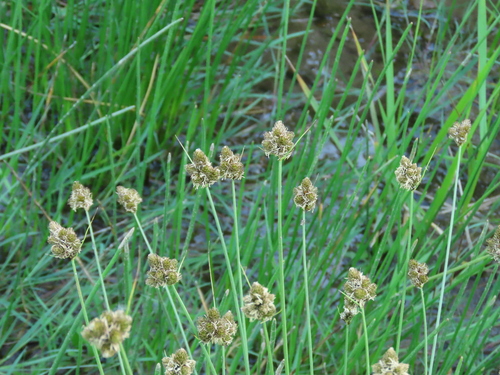
Slenderbeak sedge
Carex athrostachya
Care
part shade
Standing; Prefers sandy or loamy soils. Does not grow well in clay soils.
2–3ft tall
Mar-May
Friendly
Mountain meadows and riparian areas throughout northern California, 3000-8000 ft elevation along streams and seepage areas, extending to Oregon and Washington.
Care Guide
Planting
Plant slenderbeak sedge in partial shade in a spot with sandy or loamy soil - avoid clay, where it won't thrive. This sedge needs consistently moist to wet soil, so choose a low-lying area of your garden or a spot that stays damp through spring and early summer. Plant in early spring before the growing season kicks off, spacing plants about 2 feet apart to accommodate their mature clump size of 2–3 feet tall.
After Planting
Water weekly through your first summer to keep the soil consistently moist; this plant is native to seasonally wet meadows and marshes, so it actually prefers damp conditions year-round. Once established by fall, you can taper watering in drier months but never let it fully dry out. The #1 mistake is planting it in regular garden soil and then underwatering - this sedge will decline quickly if it dries out or gets stuck in clay.
Endangered & Threatened Species Supported
Listed under federal ESA and CESA; Critical habitat designated; amphibian chytrid fungus threat
California Species of Special Concern; Declining due to disease and habitat loss
California Species of Special Concern
Wildlife Supported
Amphibians

uses dense sedge beds for cover and overwintering habitat in wetlands

tadpoles develop in shallow wetlands with sedge vegetation for cover; Mar-Jun
Birds

uses sedge vegetation for nesting material and nest structure; Mar-May

year-round resident in California wetlands; sedge seeds important winter food

critical winter foraging in California wetlands and grasslands; Nov-Mar
Insects
decomposer and plant pathogen in wetland systems
specialized rust fungus on Carex species; affects host plant vigor