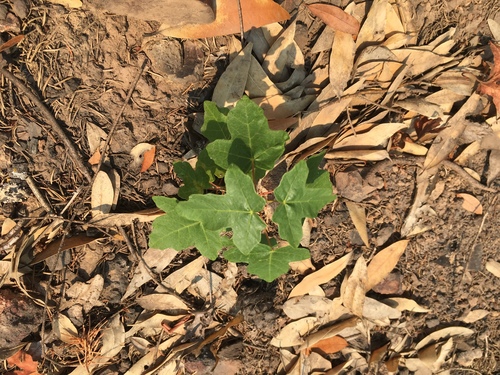
Big-leaf Maple
Acer macrophyllum
Care
full sun, part shade
moderate
moist, well-drained; tolerates clay
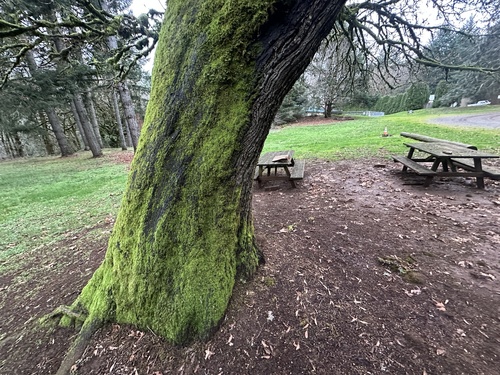
30–75ft tall , 30–50ft wide
Apr-May · yellow-green
Deciduous
Resistant
Yes
Supports up to 120 butterfly and moth species in Mediterranean California
Pacific Coast from Alaska to Southern California
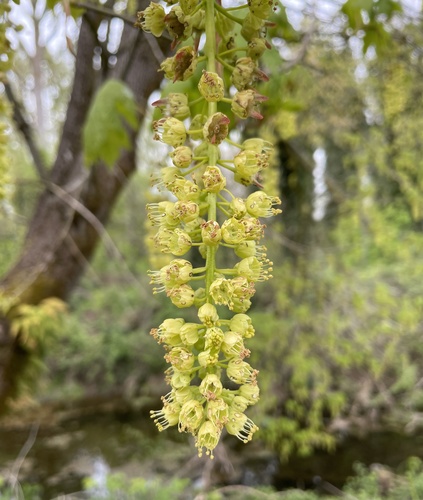
Drooping clusters of fragrant yellow-green flowers
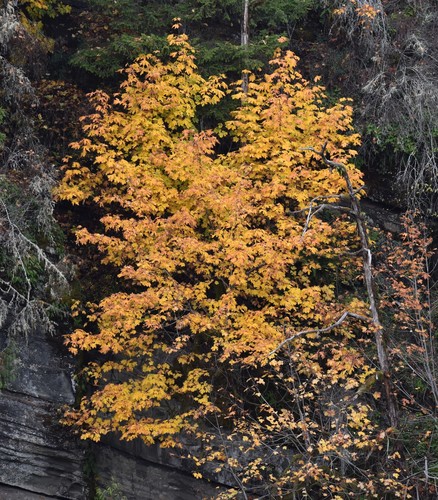
Largest maple leaves of any species; brilliant yellow fall color
Care Guide
Planting
Plant your big-leaf maple in full sun to part shade in fall or winter, when the tree is dormant. It's not fussy about soil - it tolerates clay, loam, and even sandy soil - but it thrives best with good drainage and moderate to high moisture. This is a fast-growing tree that can reach 30–75 feet tall, so give it plenty of space away from structures and plan for a substantial mature size; it's better suited to larger properties than small gardens.
After Planting
Water consistently to keep the soil moist through your first summer and into the second year as the tree establishes itself. Once established, maintain moderate to high watering during the growing season, especially during Bay Area dry spells. Prune only in winter to shape the tree or remove damage. Year one is mainly about keeping the soil consistently moist while the roots develop - the biggest mistake is underwatering during establishment, which stresses this moisture-loving tree.
Endangered & Threatened Species Supported
Western gray squirrel listed as Threatened under CESA; Species of Special Concern
Wildlife Supported
Insects
Multiple native bee species utilize abundant pollen Apr-May

Spring blooming resource Apr-May; early season brood provisioning

Spring nectar and pollen Apr-May during queen and worker foraging

Primary pollen and nectar source during bloom Apr-May; colony establishment

Larval host plant; caterpillars feed on foliage spring-early summer

Spring pollen source Apr-May; brood rearing nutrition

Obligate host plant; aphids present spring through fall with overwintering eggs

Specialized leafminer; larvae mine foliage Apr-Jun and again Jul-Aug
+1 more species
Birds

Early spring nectar source during blooming Apr-May; breeding season fuel

Spring migration staging; sapwells provide energy Apr-May
Mammals

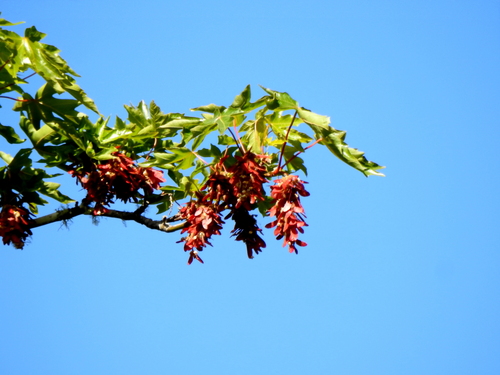
Primary seed harvest and caching Sep-Oct

Seed collection and storage Sep-Nov

Spring leaf browse Apr-Jun when tender growth emerges