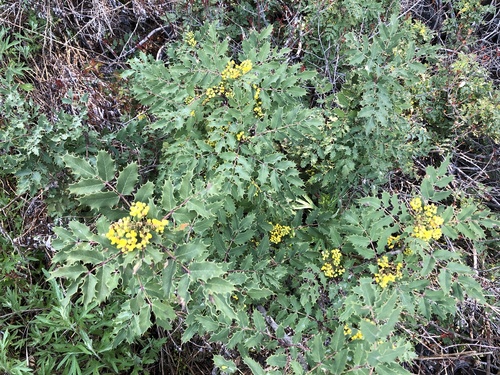
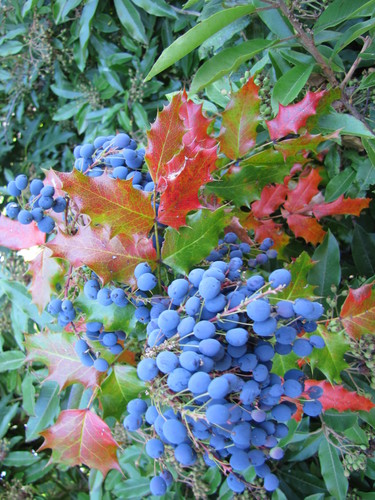
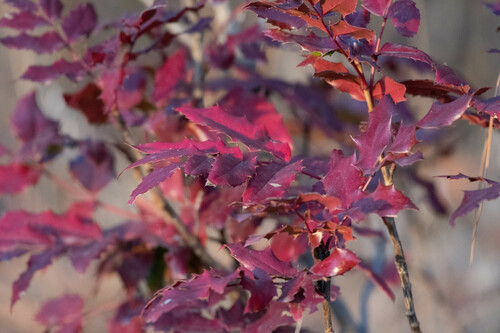
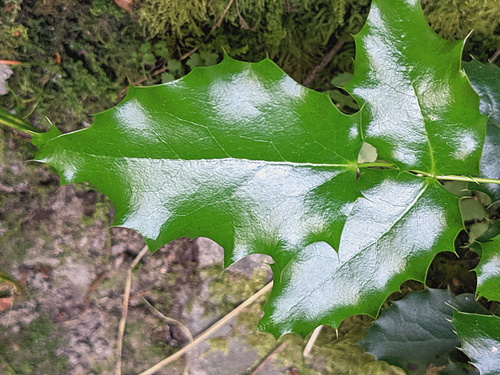
Creeping Oregon Grape
Berberis aquifolium var. repens
Care
full sun, part shade
moderate
Medium; Tolerates many soil types.
4–7ft tall , 6–6ft wide
Jan-Dec
Evergreen
Resistant
Friendly
Prized
Berries eaten fresh or cooked; traditionally foraged for food.
Redwood forests and coastal woodlands in northwestern California from Humboldt to Mendocino County, below 3000 ft elevation, extending to southern Oregon.
Care Guide
Planting
Plant your Creeping Oregon Grape in full sun to part shade in fall or winter for best establishment. This evergreen shrub tolerates many soil types but prefers medium drainage, so amend heavy clay with compost if water pools around the roots. Space plants 3-4 feet apart if creating a groundcover or hedge, accounting for its mature spreading habit. It's cold-hardy to 0°F, making it well-suited to Bay Area winters.
After Planting
Water moderately during the first growing season to establish a deep root system, then taper to once monthly or less by late summer once established - this plant is quite drought-tolerant. Creeping Oregon Grape is low-maintenance and requires minimal pruning; remove any dead or crossing branches in late winter if needed. The most common mistake is overwatering after the first year; once established, resist the urge to irrigate frequently, as the plant thrives on less water than you'd expect.
Visit Calscape for more information about Creeping Oregon Grape
Wildlife Supported
Birds

Early spring nectar source during breeding season establishment Mar-May

Critical fall migration fuel source, berries consumed during southward migration Sep-Nov

Spring migration stopover nectar, critical energy source during northbound migration

Fall and winter fruit consumption, supports resident and migratory populations

Winter resident utilizing fruit resources in California chaparral and oak woodlands
Insects

Specialist bee species utilizing Berberis pollen, early spring foraging

Spring and early summer pollen foraging, native California pollinator

Spring pollen collection for larval provisioning, important native pollinator

Spring foraging and pollen collection during colony establishment

Host plant for larvae development, pollen/nectar provisioning spring-summer

Larval host plant, multiple generations spring-fall

Spring nectar and pollen foraging for colony nutrition

Nocturnal nectar visitor, spring and early summer activity
+2 more species