← Back to results

Soap Plant

Chlorogalum pomeridianum

geophyte View on Calscape

Care

Sun

full sun, part shade

Water

very low

Soil

adaptable; tolerates clay and serpentine

Size

2–5ft tall , 0–1ft wide

Bloom

May-Jul · white

Foliage

Deciduous

Deer

Resistant

Container

Friendly

Flowers

Prized

Edible

Bulb roasted or boiled as food; traditional Indigenous preparation

Native Range

Throughout California below 5000 ft

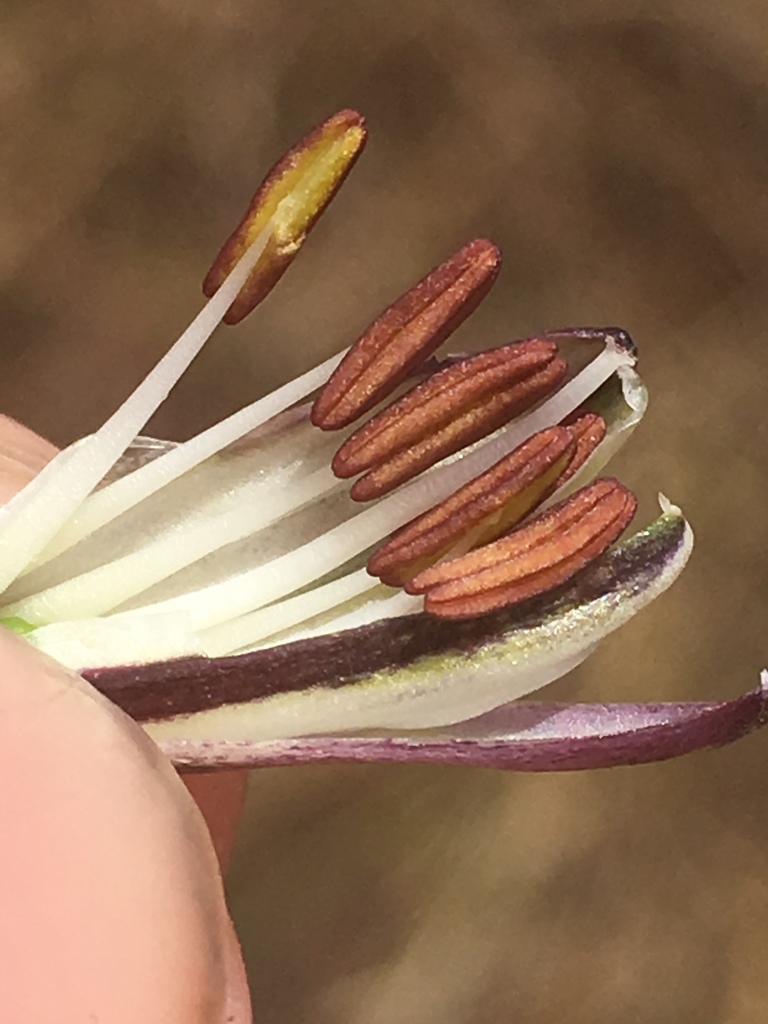
Delicate white flowers with green midveins open in evening

Bulb used by indigenous peoples as soap, glue, and food; evening blooming

Care Guide

Planting

Plant soap plant in full sun in a location with good drainage - it tolerates a variety of soils including clay and serpentine, so soil type is flexible. Space plants according to their mature size of 2–5 feet tall. Plant in spring or fall to establish before summer heat.

After Planting

Water regularly during the first growing season to help establishment, then stop - once established, never irrigate during summer. Expect the foliage to disappear by late summer as the plant goes drought-deciduous; this is normal and not a sign of trouble. The #1 mistake is continuing to water in summer once the plant is established; soap plant needs virtually no care after year one and actually prefers dry conditions.

Visit Calscape for more information about Soap Plant

Endangered & Threatened Species Supported

California ringlet butterfly Coenonympha california
CA: Threatened

California state threatened species

Wildlife Supported

Insects

Larval Host · Spring

Larvae feed on young leaves April-May; supports early spring butterfly populations

Larval Host · Spring

Early spring larvae feed on emerging foliage; critical host plant for coastal populations

Nectar · Summer

Diurnal and crepuscular visitor to flower clusters May-July

Larval Host · Spring

Year-round host plant in southern California; critical for warm-season broods

Nectar · Summer

Large native bee pollinator during peak bloom months

Nectar · Summer

Primary pollinator during May-July bloom; crepuscular foraging aligns with evening flower opening

Nectar · Summer

Nectar source during late spring-summer flight period

Larval Host · Spring

Larvae utilize plant tissues; multi-brooded species uses as host plant

+4 more species

Arachnids

Nesting · Summer

Ambush predator; sits on flowers May-July to capture visiting pollinators

Where to Buy

East Bay Wilds

2110 Eighth St, Suite 202, Berkeley

Fri 9:30am-4pm (occasional Sat, call ahead)

1.5 mi (510) 409-5858 Website
Native Here Nursery

101 Golf Course Dr, Tilden Regional Park, Berkeley

Sat 10am-2pm

3.0 mi (510) 549-0211 Website
Watershed Nursery

601A Canal Blvd, Richmond

Tue-Sun 10am-4pm

5.0 mi (510) 234-2222 Website