Pink Honeysuckle
Lonicera hispidula
Care
full sun, part shade
low
adaptable; tolerates some clay and dry conditions
6–15ft tall , 3–6ft wide
Apr-Jul · pink
Semi-Deciduous
Resistant
Yes
Prized
Berries eaten fresh; used by Indigenous peoples as food
Pacific Coast from British Columbia to Southern California
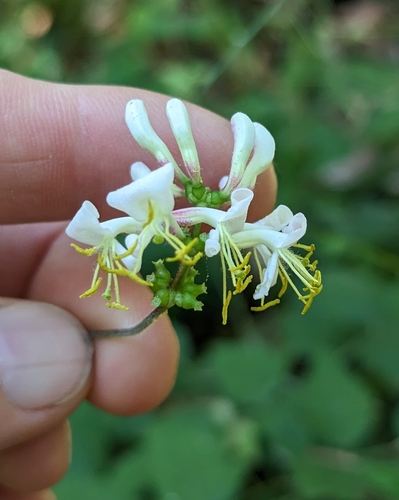
Clusters of tubular pink flowers; red berries follow
Native honeysuckle; less aggressive than non-native species
Care Guide
Planting
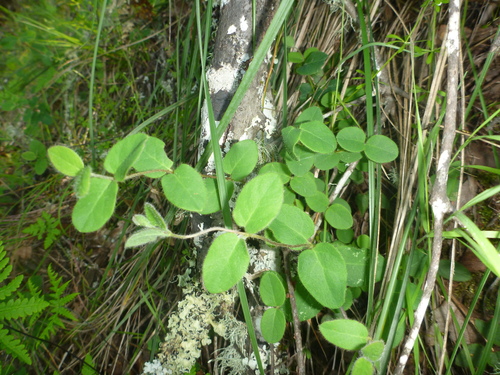
Plant your pink honeysuckle in spring or fall in a spot with full sun to part shade. It's extremely adaptable to soil type - clay, sandy, loamy, it doesn't matter - as long as drainage is at least medium. Space it where it can either climb a trellis or larger shrub, or sprawl as a ground-hugging trailer. This Bay Area native will settle into most garden conditions, though it prefers a location where you can water it regularly during the first growing season.
After Planting
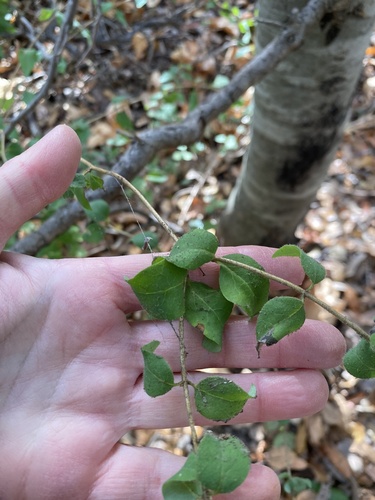
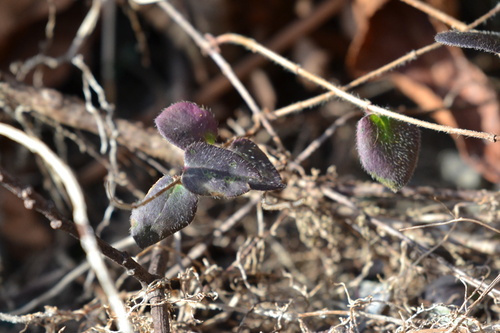
Water weekly through your first summer, then taper off once established - by late summer of year two, you should need to water only once a month or less. Pink honeysuckle is semi-deciduous and may lose some leaves in winter, which is normal. The #1 mistake is overwatering after the first year; this plant evolved for California's dry summers and will thrive on minimal water. If you're planting near oak trees susceptible to sudden oak death, monitor the plant's leaves and remove any with suspicious spotting to reduce disease spread.
Endangered & Threatened Species Supported
California Species of Special Concern
Wildlife Supported
Birds

Primary nectar source during Apr-Jul bloom; critical for breeding season energy

Spring migration fuel source Apr-Jun

Year-round fruit and seed availability; overwinter food source

Berry consumption during fall migration Sep-Nov

Fall-winter berries supplement local diet
Insects

Spring-summer foraging Apr-Jul bloom period

Primary honey and nectar source during Apr-Jul bloom

Nectar and pollen collection during bloom season

Nectar source during spring bloom Apr-Jun

Bloom season nectar foraging Apr-Jul

Adult nectar feeding during bloom season

Spring bloom period foraging Apr-Jul

Spring bloom nectar source Apr-Jun
+1 more species