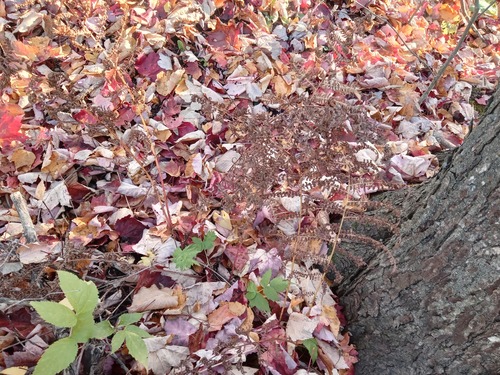
Lady Fern
Athyrium filix-femina var. cyclosorum
Care
part shade, full shade
regular
moist, humus-rich, well-drained
1–4ft tall , 1–3ft wide
Deciduous
Resistant
Friendly
Throughout western North America in moist areas
Non-flowering; reproduces by spores
Graceful arching fronds; deciduous in winter; easy in moist shade
Care Guide
Planting
Plant your Lady Fern in part shade to full shade in a spot with moist, humus-rich, well-drained soil - it thrives in the cool, humid conditions of the Bay Area's shadier microclimates. Space plants about 1.5 to 2 feet apart to give their delicate fronds room to unfurl. Plant in spring or fall when soil moisture is naturally consistent, and avoid full sun exposure, which will scorch the tender foliage.
After Planting
Water regularly to keep the soil consistently moist (not soggy) through the growing season, especially during summer - think of mimicking the temperate rain forest humidity this fern evolved in. Lady Fern is deciduous and will die back completely in winter, which is normal; simply leave the old fronds in place as they'll protect the crown, then clear them away in early spring when new growth emerges. The number one mistake is letting the soil dry out; this fern will brown and decline quickly without steady moisture.
Endangered & Threatened Species Supported
Listed under federal ESA and CESA; Highly threatened species with very limited range
Endemic to California freshwater marshes; critical habitat designated
Listed as Endangered under CESA; Species of Special Concern due to habitat loss and disease
Wildlife Supported
Amphibians

Critical refugium in moist woodland margins; provides cover during breeding and overwintering

Seeks refuge under fronds and in moist soil beneath plants during dry periods

Dense fronds provide essential cover in riparian seepage areas and moist woodlands
Birds

Gleans insects from fronds year-round; critical winter food source in California coastal scrub and woodland

Forages in moist woodland understory; uses fronds for nesting material

Irregular winter visitor; forages on fern-associated arthropods in California montane areas

Forages beneath fern cover during winter months in montane and foothill woodlands

Uses dense fern patches for ground feeding cover and arthropod foraging in moist woodland understory

Nests in nearby cavities; forages over moist woodland edges during breeding season
Insects

Associated with seepage and spring habitats where lady fern occurs; benefits from habitat structure

Primary herbivore on lady fern fronds; populations peak in summer on expanding new growth

Larvae feed on fronds April-July; caterpillar abundance attracts foraging birds

Associated fern patches host numerous small arthropods including sawflies (Strongylogaster spp.) and weevils

Feeds on fern sap; important prey for insectivorous birds foraging in understory