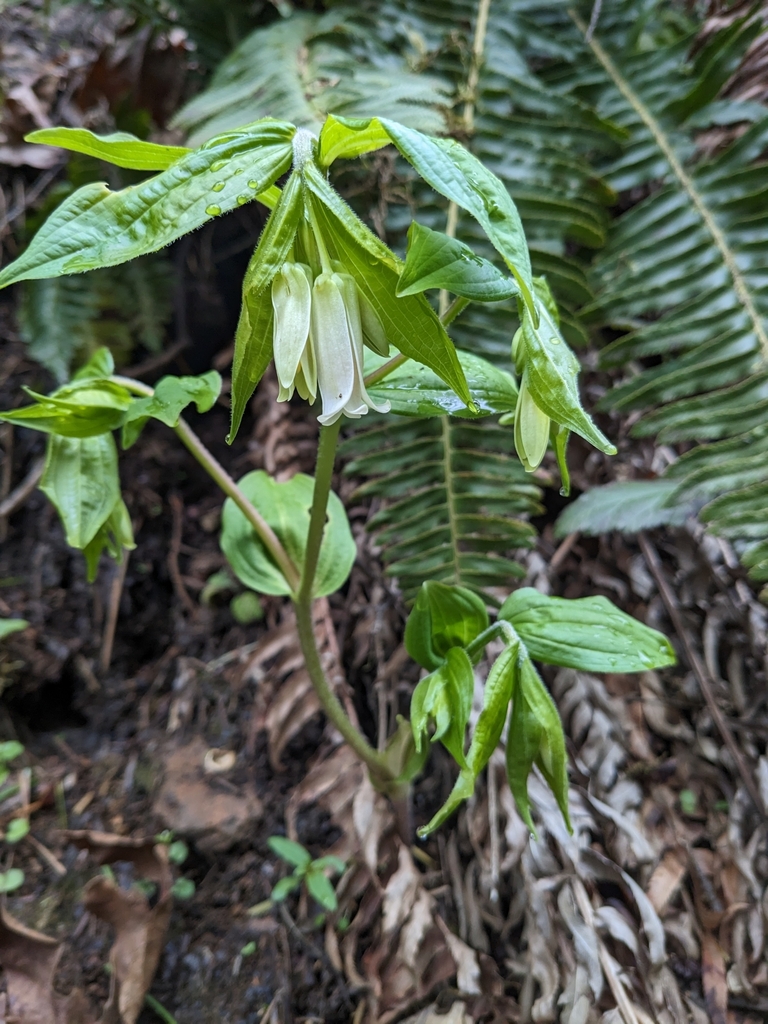
Large-Flowered Fairybells
Prosartes smithii
Birds

Primary fruit consumer; berries consumed throughout year in California, especially important winter food source

Migrating birds fuel on fairybell fruits during spring migration through California woodlands

Ground forager consuming fallen berries and seeds in oak-woodland understory during winter months

Overwintering birds rely on persistent berries as winter food source in oak-woodland understory

Fall foraging on berries before high elevation migration; caches seeds opportunistically
Understory ground forager consuming berries and seeds in autumn before winter dispersal
Insects
Spring-active predator of aphids on emerging fairybell foliage; important early season biocontrol
Biological control agent targeting mealybug pests on fairybell foliage and stems
Predatory control of mealybugs and scale insects on plant foliage; indirect benefit to plant health
Mammals

Year-round seed predator and disperser; caches seeds in oak-woodland understory burrows

Fall seed collection for winter caches; important seed disperser in California foothill woodlands

Autumn seed foraging and caching; incidental dispersal of seeds in oak-woodland habitat