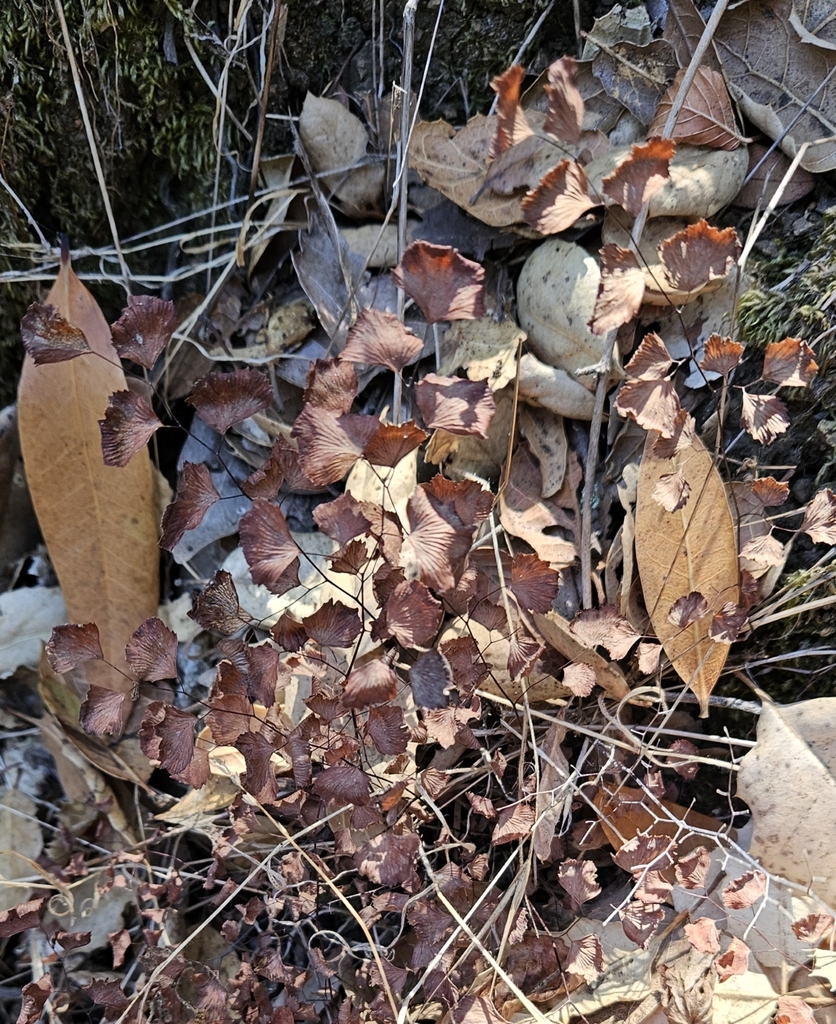
Maidenhair Fern
Adiantum jordanii
Care
full shade, part shade
regular
moist, humus-rich; near seeps and streams
0–1ft tall , 0–1ft wide
Deciduous
Resistant
Friendly
California and Oregon in moist shaded canyons
Non-flowering; reproduces by spores
Delicate black wiry stems with fan-shaped leaflets; goes dormant when dry
Care Guide
Planting
Plant your maidenhair fern in deep shade or partial shade - it thrives in the shaded woods conditions of its native California habitat. Choose a spot with moist, humus-rich soil that drains well; this fern appreciates the conditions near seeps and streams but can tolerate sand or clay soils as long as moisture is consistent. Space it where it can slowly expand into a clump over time. You can plant it in a container if you prefer, which gives you flexibility to move it to the perfect shady spot in your Bay Area garden.
After Planting
Water regularly during the first year to establish the plant - think of mimicking those moist rock outcroppings where it naturally grows. Once established, you'll need to water only about once a month during summer, which is ideal for the Bay Area's dry season. The fern will go dormant and lose its leaves if you let it dry out in summer, but it will recover once you resume watering; however, the most common mistake is overwatering in containers, which can rot the roots, so ensure your soil drains well and let it dry slightly between waterings. Cold hardy to 15°F, this fern is well-suited to Bay Area winters.
Endangered & Threatened Species Supported
California Species of Special Concern
Wildlife Supported
Amphibians
Shelters under moist fronds during wet seasons and dormancy periods
Insects
Inhabit moist soil beneath fern litter; abundant year-round in shade habitat
Active during fern frond emergence and expansion
Pathogenic host relationship; disease presence year-round in moist conditions
Mammals
Uses dense frond coverage for protection while hunting soil invertebrates
Arachnids
Construct webs among fronds to capture small arthropods (April-October)
Birds
Forages beneath fronds for arthropods during overwintering (October-March)
Uses dense fern cover for roosting during breeding season (April-August)