Point Reyes Ceanothus
Ceanothus gloriosus
Care
full sun
very low
well-drained; sandy or rocky; no summer water
0–1ft tall , 4–12ft wide
Mar-May · blue, purple
Evergreen
Resistant
Friendly
Prized
Supports up to 120 butterfly and moth species in Mediterranean California
Point Reyes and Marin County coast
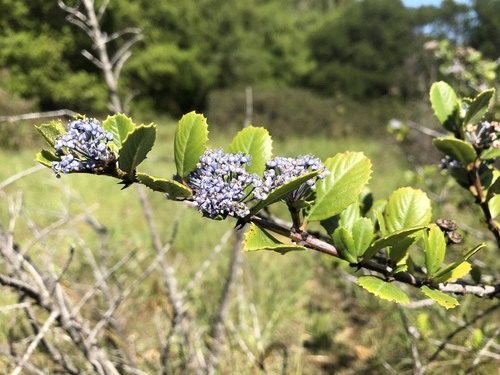
Dense clusters of blue to purple flowers cover the spreading plant
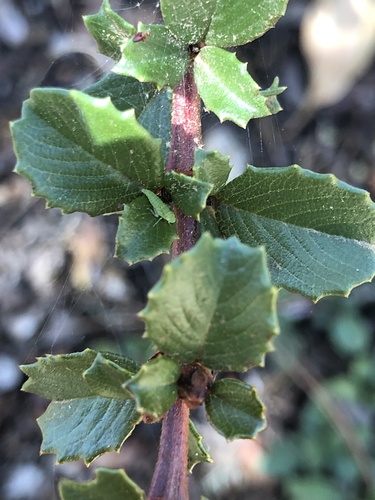
Outstanding flat-spreading groundcover; nitrogen fixer; tough and fast
Care Guide
Planting
Plant Point Reyes ceanothus in full sun to partial shade in well-drained, sandy or rocky soil - it prefers conditions similar to beach sand and will struggle in heavy clay or compacted soil. Space plants 3–4 feet apart since they'll quickly form a dense, spreading mat as stems root wherever they touch the ground. Plant in fall or early spring to give roots time to establish before summer heat. Avoid planting in areas that receive summer water from irrigation systems, as this ceanothus is extremely drought tolerant and doesn't want supplemental moisture once established.
After Planting
Water weekly during your first summer after planting to help the plant establish roots, then taper off as the plant matures. By year two, established plants need no summer irrigation beyond what natural rainfall provides - in fact, summer watering is the #1 mistake people make with this plant. Shear lightly after the spring bloom (March–May) to maintain its low, compact shape and encourage dense growth, but otherwise leave it alone. This evergreen shrub is tough and hardy to 0°F, so it requires very little maintenance once it's settled into your garden.
Visit Calscape for more information about Point Reyes Ceanothus
Wildlife Supported
Insects

Primary foraging Mar-May during bloom season; critical early season protein source for colony establishment

Primary nectar source during flowering season; supports feral and managed colonies

Solitary bee foraging during Mar-May bloom period
Larval development in developing seed capsules post-bloom

Pathogenic fungus; can infect foliage during wet springs
Birds

Early spring nectar source during Mar-May bloom; supports breeding season energy demands
Mammals

Browse evergreen foliage particularly during winter drought stress in Point Reyes coastal scrub