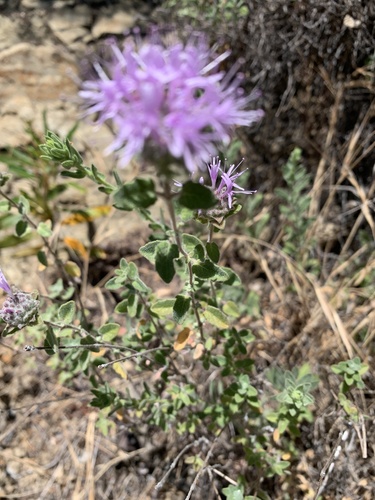
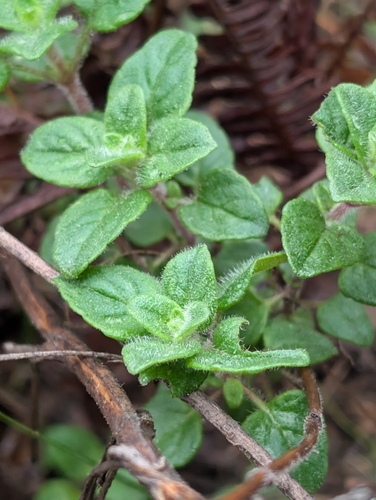
Coyote Mint
Monardella villosa
Care
full sun
very low
well-drained, rocky or sandy; dry slopes
0–1ft tall , 1–2ft wide
Jun-Sep · lavender, purple
Semi-Deciduous
Resistant
Friendly
Yes
Prized
Leaves and flowers brewed as aromatic tea; used fresh or dried
California Coast Ranges and foothills
Round clusters of tubular lavender-purple flowers
Aromatic foliage; makes good tea; excellent pollinator plant
Care Guide
Planting
Plant Coyote Mint in full sun with well-drained, rocky or sandy soil - it tolerates a variety of soil types and even serpentine soil. Space it where water drains quickly; poor drainage is its main enemy. Plant in spring or fall for best establishment, and choose a spot on a dry slope if you have one. This spreading subshrub works well in containers or as a lawn alternative if you're looking for something low-maintenance.
After Planting
Water weekly for the first summer to establish deep roots, then taper off once established. After year one, Coyote Mint only needs summer irrigation about twice a month inland; coastal gardens may need even less. Light pruning in spring helps keep it neat and encourages bushier growth. The #1 mistake is overwatering - this plant thrives on neglect once established, and excess moisture will quickly rot it out, so err on the dry side.
Endangered & Threatened Species Supported
Zerene Fritillary; multiple subspecies of concern including S. z. hippolyta (ESA listed 1992)
California Species of Special Concern; monarch populations declining
Wildlife Supported
Insects

Critical fall migration fuel Aug-Sep for southern migration

Bloom season foraging; multiple generations

Multi-generational nectar source Jun-Sep

Early summer blooms; specialized California endemic

Opportunistic migratory species; bloom season foraging

Mid to late summer blooms; adult foraging Jun-Sep
Birds

Primary nectar source Jun-Sep bloom; critical for breeding season energy