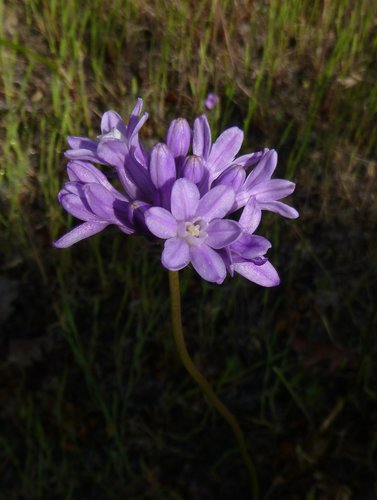
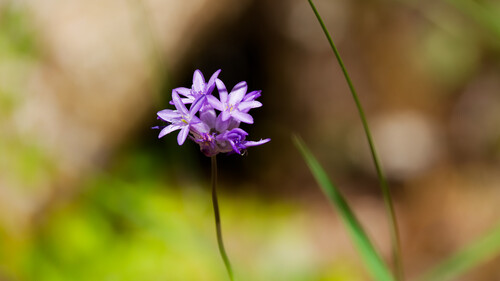
Many-flowered Brodiaea
Dichelostemma multiflorum
Care
full sun, part shade
very low
Medium, Slow; Prefers heavy soils but tolerates a variety of garden soils.
3–3ft tall , 1–1ft wide
Mar-May
Deciduous
Resistant
Friendly
Prized
Corms roasted or boiled; traditional California Indigenous food.
Central California Coast Ranges and Sierra foothills from Kern County to the Klamath region, typically 500-3000 ft in grassland and oak woodland.
Care Guide
Planting
Plant your Many-flowered Brodiaea corm in fall or early winter in full sun, choosing a spot with medium to slow-draining soil - it actually prefers heavy soils, so don't amend heavily. Space corms about 3–4 inches apart. This native perennial thrives in the Bay Area and will naturalize in grassy, open places similar to its mountain habitat.
After Planting
Water deeply after planting, then let rainfall do the work through winter and spring. Once established (after year one), water no more than twice a month during summer, and cut back even further in fall as the plant goes dormant. The biggest mistake is overwatering in summer - this plant wants to dry out. You'll see blooms in spring (March–May), and then the foliage will die back naturally; just leave the corm undisturbed underground to return next year.
Visit Calscape for more information about Many-flowered Brodiaea
Wildlife Supported
Insects

Primary pollinator; foraging during spring bloom for pollen and nectar
Utilize bulb vicinity and soil habitat; may attend aphids on above-ground portions

Various beetle species feed on leaves and flowers during growing season

Larvae may develop in association with plant or visiting arthropods

Adults visit flowers for nectar during spring season

Larvae feed on plant tissues in spring; adults emerge late spring to early summer

Adult foraging on flowers in spring

Adult feeding on flowers during spring bloom period
Arachnids

Ambush predator on flowers and inflorescences during bloom period