Beach Strawberry
Fragaria chiloensis
Care
full sun, part shade
low
sandy, well-drained; salt tolerant
0–0ft tall , 1–3ft wide
Mar-Jul · white
Evergreen
Resistant
Friendly
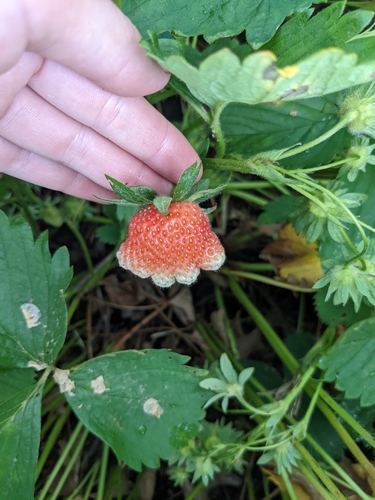
Small red berries eaten fresh; ancestral parent of cultivated strawberry
Supports up to 62 butterfly and moth species in Mediterranean California
Pacific Coast from Alaska to South America
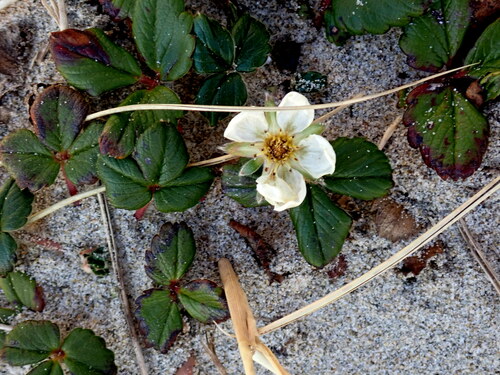
White flowers followed by small edible strawberries
One parent of modern garden strawberry; excellent coastal groundcover
Care Guide
Planting
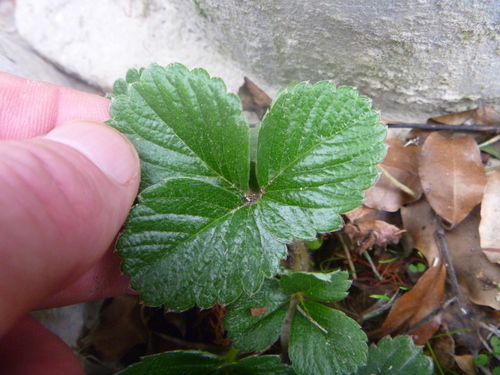
Plant Beach Strawberry in full sun or part shade in sandy, well-drained soil - drainage is critical, so amend heavy Bay Area clay with sand if needed. Space plants about 12 inches apart since they spread at a moderate rate and work well as groundcover. Plant in fall or early spring for best establishment. This strawberry is salt tolerant, making it a good choice for coastal Bay Area gardens.
After Planting
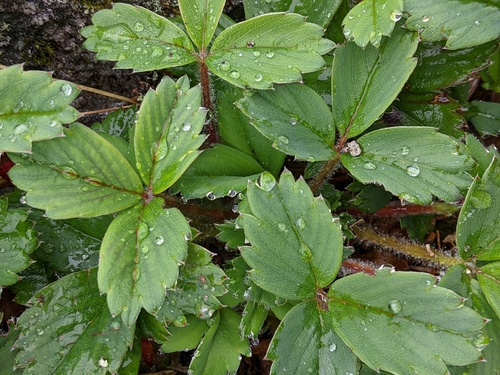
Water twice monthly for the first summer to establish the plant, then back off to once monthly or less once established - this is a low-water plant that prefers dry conditions. The #1 mistake is overwatering; err on the side of dry rather than wet. Expect white flowers in spring through early summer followed by red fruits, and watch for the foliage to turn red in fall. This plant is evergreen and deer resistant, requiring minimal pruning beyond removing any dead growth.
Wildlife Supported
Insects

Primary spring pollinator during bloom season (Mar-May); critical for early colony establishment

Efficient buzz-pollinator of strawberry flowers (Apr-Jun)

Consistent pollinator throughout flowering period (Mar-Jul)
Native ground-nesting bee; important coastal pollinator (Apr-Jun)

Early season specialist, active during strawberry bloom peak (Mar-May)

Solitary bee forager on flowers (Apr-Jul)

Hover fly pollinator active during bloom period (Apr-Jun)

Caterpillar host plant; populations peak in warm months
+2 more species
Birds

Berries consumed during spring migration and breeding season (Mar-Jun)
Coastal populations utilize berries during nesting season (Apr-Jul)