Yerba Buena
Clinopodium douglasii
Care
part shade, full shade
moderate
moist, humus-rich, well-drained
0–0ft tall , 1–3ft wide
Apr-Sep · white
Evergreen
Resistant
Friendly
Yes
Leaves brewed as tea; used fresh or dried for minty herbal beverage
Pacific Coast from British Columbia to Baja California
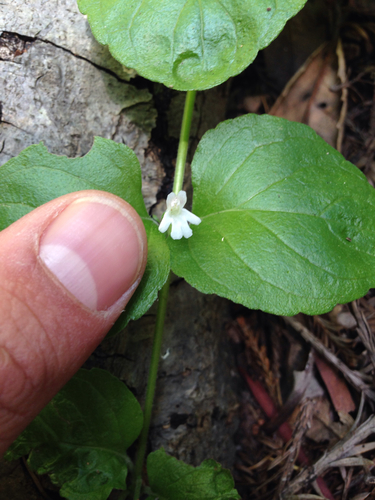
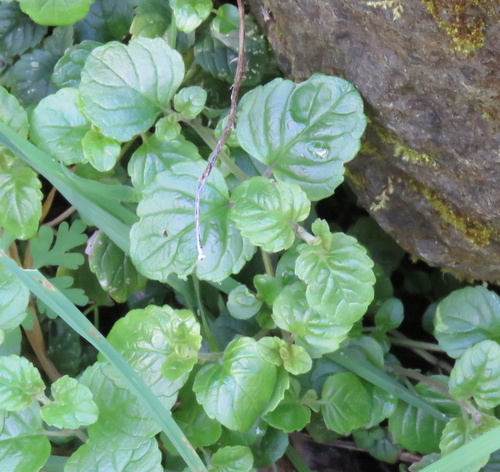
Tiny white tubular flowers; trailing aromatic stems
Fragrant minty groundcover; San Francisco's original name; makes pleasant tea
Care Guide
Planting
Plant Yerba Buena in partial to full shade - think under trees or in shady corners of your garden. It's adaptable to most soils as long as drainage is good, so amend heavy clay with compost if needed. Space plants about 12 inches apart if you're using it as a groundcover; it will spread and root itself as it creeps outward. Plant in spring or fall to give it time to establish before summer heat.
After Planting
Water moderately during the first growing season to help it establish, then taper back once it's settled in - by summer of year two, you should only need to water about once a week during dry spells. Pinch back stems occasionally to encourage denser, mat-forming growth, especially in the first year. The #1 mistake is overwatering: Yerba Buena is drought-tolerant once established, and soggy soil will rot it out faster than anything else. It's evergreen and low-maintenance, so after the first year, you can mostly let it do its thing.
Wildlife Supported
Insects

Native pollinator utilizing flowers Jul-Sep

Primary nectar source during peak bloom Jun-Aug

Native solitary bee; flowers provide nectar Jun-Aug

Larvae feed on Clinopodium and related mints in early spring; single generation in California
Diverse native bee genus collecting pollen May-Sep

Important native pollinator using nectar Jun-Sep

Adult wasp foraging for nectar Jul-Aug

Early season nectar source April-May during establishment phase