← Back to results

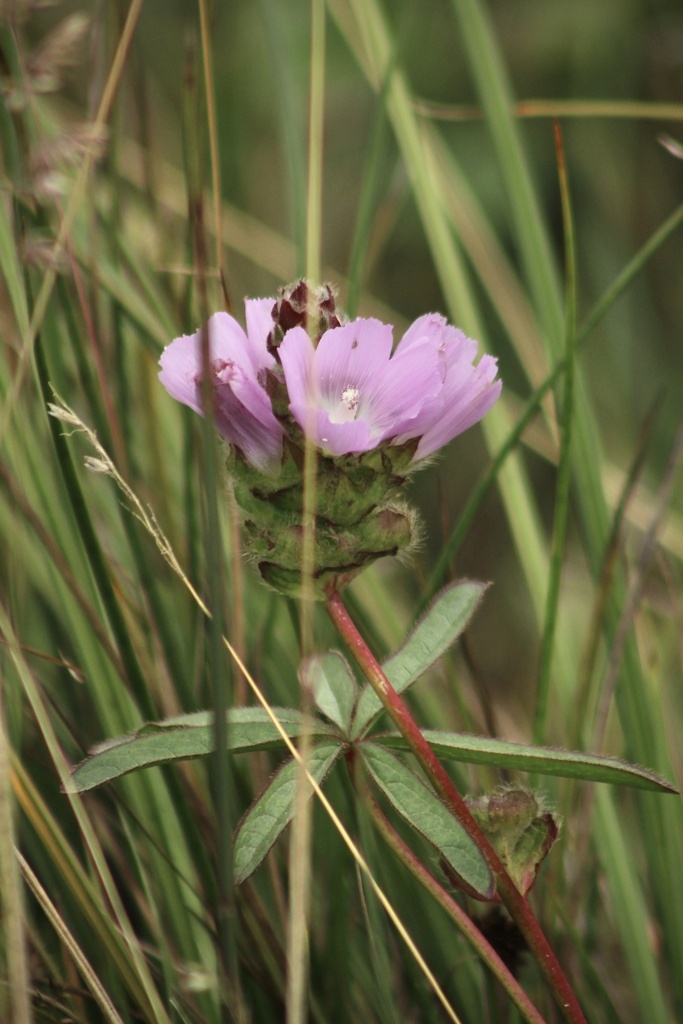
Pt. Reyes Checkerbloom

Sidalcea calycosa ssp. rhizomata

perennial herb View on Calscape

Care

Sun

part shade, full sun

Water

moderate

Soil

Fast, Medium, Slow, Standing; Tolerant of a variety of garden soils as long as sufficient moisture is available.

Size

1–3ft tall

Bloom

Mar-Nov

Foliage

Deciduous

Container

Friendly

Flowers

Prized

Native Range

Endemic to coastal bluffs and grasslands near Point Reyes in Marin County, below 500 ft elevation, in coastal prairie and coastal sage scrub.

Care Guide

Planting

Plant Pt. Reyes Checkerbloom in spring or fall in a consistently moist location - this plant thrives in wet areas and won't tolerate dry conditions. Choose a spot with full sun to partial shade and soil that drains slowly or even holds standing water; it tolerates various soil types as long as moisture is abundant. Space plants to minimize competition, as this rare native spreads via rhizomes when happy. Pair it with other wet-loving plants like ferns, Red Alder, or sedges that won't crowd it out.

After Planting

Keep the soil moist throughout the growing season, especially during summer - this is not optional for success. Cut back the entire plant at the end of autumn after flowering finishes to encourage bushier growth and more blooms the following year. The #1 mistake is treating this as a typical garden plant; it will fail without consistently wet soil, so don't plant it in average garden beds. While it may act as a weak perennial in ideal conditions, expect it to bloom from spring through fall before dying back for winter.

Visit Calscape for more information about Pt. Reyes Checkerbloom

Endangered & Threatened Species Supported

Brush Rabbit Sylvilagus bachmani
CA Special Concern

Brush rabbit is a Species of Special Concern

Wildlife Supported

Insects

Nectar · Spring

early spring queens forage on Sidalcea flowers for nectar to establish colonies

Larval Host · Spring

caterpillars feed on Sidalcea species and related mallows in spring; adults emerge April-May

Foliage · Summer

nymphs and adults browse on mallow foliage and flowers; peak activity July-August

mod Honey bee
Nectar · Spring

foragers collect nectar and pollen during bloom period for hive provisioning

Foliage · Year-Round

fungal genus that parasitizes host plant; spore production peaks in cool, moist seasons

Nectar · Summer

adults nectar on mallow flowers June-September for energy and reproduction

Birds

Seeds · Fall

consume dried seeds in fall and winter as food source; supplement diet during cover plant use

Mammals

Foliage · Year-Round

browse on mallow plants for moisture and nutrients; more important in drought periods

Foliage · Year-Round

graze on Sidalcea plants as part of diverse herbaceous diet in coastal scrub habitat

Where to Buy

East Bay Wilds

2110 Eighth St, Suite 202, Berkeley

Fri 9:30am-4pm (occasional Sat, call ahead)

1.5 mi (510) 409-5858 Website