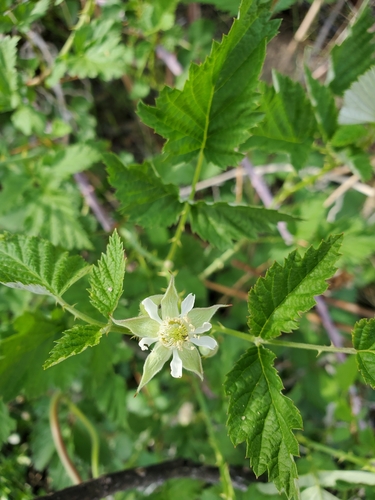
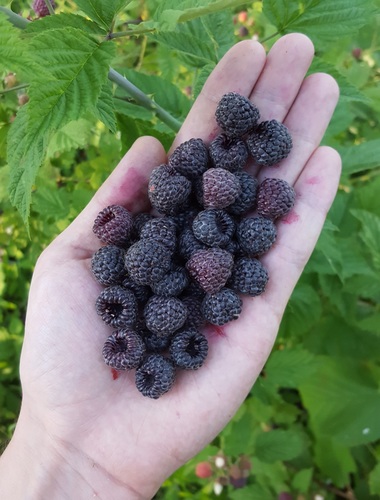
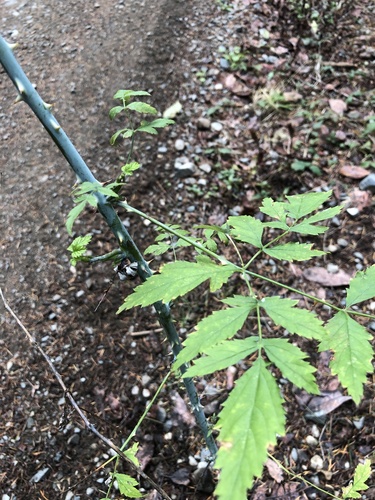
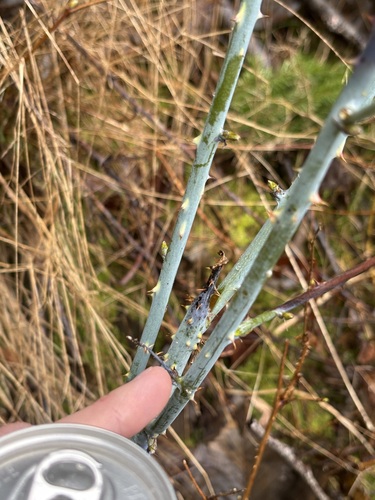
Whitebark Raspberry
Rubus leucodermis
Care
part shade
moderate
Adaptable, tolerant of sand, loam and clay.
1–7ft tall
Mar-May
Deciduous
Berries eaten fresh or dried; sweet and edible
Supports up to 96 butterfly and moth species in Mediterranean California
Sierra Nevada and Cascade Range from Shasta to Kern Counties, 3000-8000 ft elevation, in mixed conifer forests and mountain meadows, extending to the Pacific Northwest.
Care Guide
Planting
Plant your Whitebark Raspberry in partial shade with soil that drains well - it's adaptable to sand, loam, and clay, so you have flexibility here. The best time to plant is in fall or early spring before growth takes off. Space plants to allow air circulation, as these deciduous shrubs grow 1–7 feet tall depending on conditions.
After Planting
Water moderately to regularly during your first growing season to help the plant establish. Here's what to expect: the canes grow vegetatively in year one, then flower and fruit in year two before dying back - this is normal and not a sign of failure. The #1 mistake is overwatering or planting in poorly draining soil; while the plant tolerates many soil types, it still needs good drainage. Prune out the dead canes after they fruit in their second year to make room for new growth.
Visit Calscape for more information about Whitebark Raspberry
Wildlife Supported
Insects

Larvae feed on new growth and developing foliage; California endemic subspecies

Larvae mine foliage; multiple generations through growing season

Spring and early summer pollen resource during colony development

Larvae develop on leaves and stems through spring and early summer

Early season pollen source for queen and worker provisioning
Mammals

Berries consumed during peak ripening mid-summer to early fall; important pre-hibernation forage
Fresh fruit consumption during ripening period
Birds

Late summer fruit consumption for pre-migratory fuel; supports breeding season diet

Late summer berry consumption; opportunistic foraging