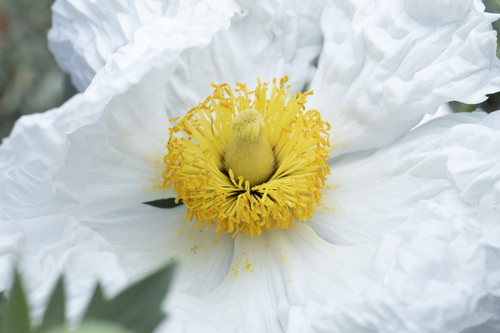
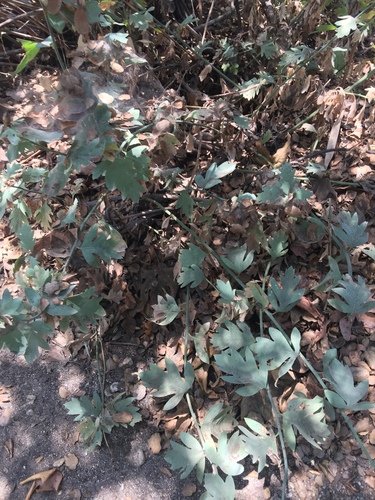
Matillija Poppy
Romneya coulteri
Care
full sun
very low
Fast, Medium; Prefers sandy or gravelly soil with fast drainage.
7–10ft tall , 20–20ft wide
Mar-Aug
Deciduous
Resistant
Yes
Prized
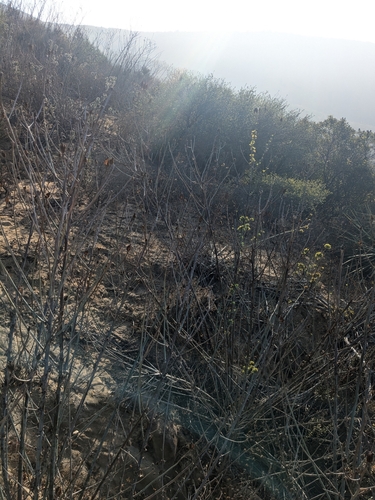
Endemic to chaparral of southern California from Kern to San Diego Counties, 500-3500 ft elevation, on dry canyon sides and ridges, primarily inland valleys.
Care Guide
Planting
Plant your Matilija Poppy in full sun with fast-draining, sandy or gravelly soil - poor drainage is a common reason this plant fails. Space it with room to spread, as it will eventually reach 7–10 feet tall and spread by underground rhizomes. Fall or winter planting is ideal for Bay Area gardens, giving the plant time to establish roots before summer heat.
After Planting
The trickiest part of year one is watering: this plant hates both soggy soil and drought during establishment, so water moderately through the first growing season, then taper off by late summer. Once established (typically by year two), stop watering entirely - it needs no summer irrigation and prefers to be dry. Expect it to spread aggressively via rhizomes; simply pull up unwanted shoots to control it. The biggest mistake people make is overwatering or planting in heavy clay soil, which will kill it faster than neglect.
Wildlife Supported
Insects

Native bee pollinator during flowering season

Primary pollen source during Matillija poppy bloom period

Native bee pollinator during flowering season

Wasp visits flowers for nectar

Beetle feeds on poppy foliage and flowers

Opportunistic visitor to flowers for pollen and aphid prey

Adult nectar source during poppy bloom