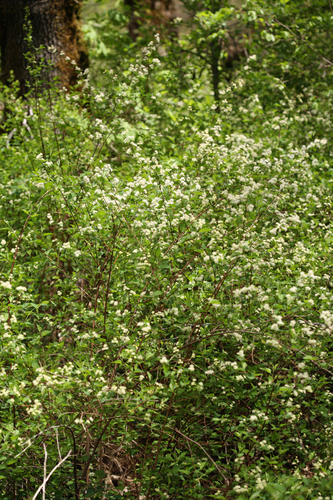
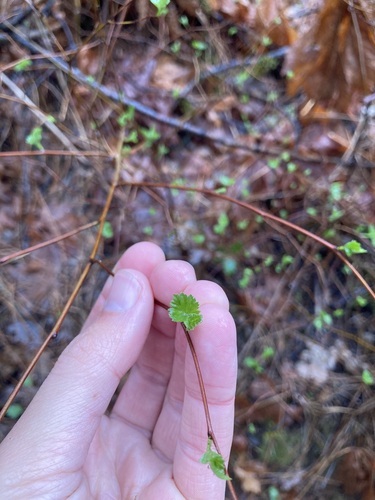
Shasta Snow Wreath
Neviusia cliftonii
Care
moderate
.
4–8ft tall
Deciduous
Prized
Endemic to the southern Cascade Range and Modoc Plateau in northeastern California near Mount Shasta, 4000-6000 ft elevation, in moist coniferous forests.
Care Guide
Planting
Plant your Shasta Snow Wreath in deep shade, which makes it ideal for those tricky north-facing spots or under tree canopy in your Bay Area garden. This deciduous shrub reaches 4 to 8 feet tall, so give it space to grow; it works well as a hedge if you're planning multiple plants. Plant in fall or early spring when the plant is dormant to help it establish before summer heat.
After Planting
Water moderately through your first summer and into the plant's second year, tapering off as it becomes established. Since this is a deciduous shrub, expect it to lose its leaves in winter - this is normal and not a sign of trouble. The biggest mistake is overwatering; Shasta Snow Wreath is a mountain native that doesn't need the constant moisture some gardeners assume all plants want.
Visit Calscape for more information about Shasta Snow Wreath
Endangered & Threatened Species Supported
Alpine habitat specialist; climate change impacts
Mountain meadow specialist
Wildlife Supported
Birds

Year-round alpine meadow foraging; critical in winter when snow-exposed

Early spring energy source during pre-breeding season Feb-Apr

Late breeding season food source Jul-Aug for nestling provisioning

Pre-migration fattening and early winter provisioning Oct-Nov
Insects

Alpine meadow specialist, primary nectar source mid-elevation populations Jul-Aug

Spring foraging for colony establishment and brood provisioning

Adult nectar source during emergence and breeding season Apr-Jun
Mammals

Primary dietary component in high elevation populations

Cache building and winter food storage Sep-Nov

Emergency browse during heavy snow years, accessible due to low growth form