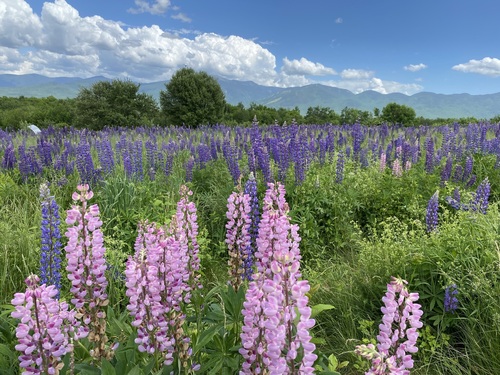
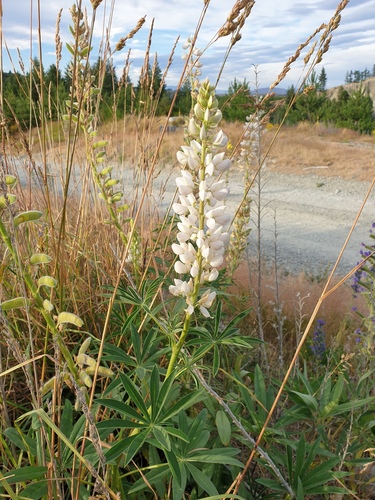
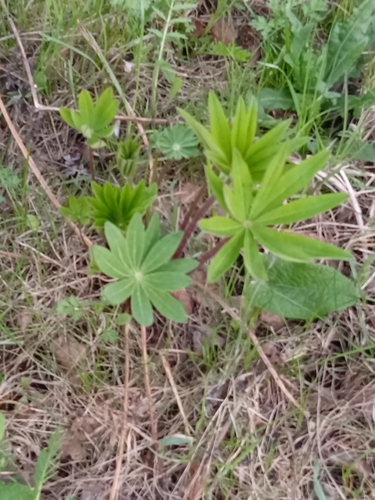
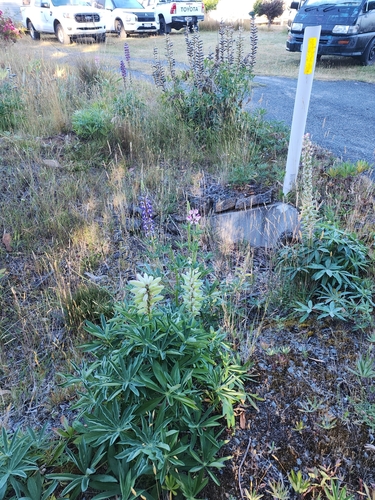
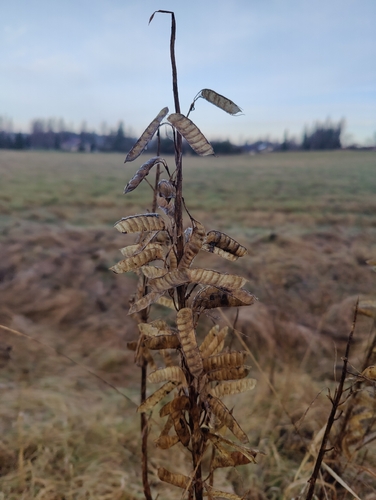
Bog Lupine
Lupinus polyphyllus
Care
full sun
moderate
Fast, Medium, Slow; Adaptable.
0–5ft tall , 3–3ft wide
Mar-Aug
Deciduous
Resistant
Prized
Supports up to 74 butterfly and moth species in Mediterranean California
Riparian areas and wet meadows of the Sierra Nevada and northeastern California, 5000-9000 ft elevation, extending to Oregon and east
Care Guide
Planting
Plant Bog Lupine in full sun in a location where it can stay consistently moist - it thrives in wet meadow conditions and naturally grows along streams and creeks. Choose a spot with fast to medium drainage (it's adaptable to various soil types) and plant in spring for best establishment. Space plants to accommodate their mature height of 3–5 feet and their stout, spreading form.
After Planting
Water weekly through your first summer to establish the plant's root system, then reduce to no more than twice monthly once established. Bog Lupine is a deciduous perennial that will die back in winter and return in spring; expect blooms from March through August in year one and beyond. The biggest mistake is letting it dry out during establishment - this plant wants moisture, so err on the side of wet rather than dry in its first season.
Endangered & Threatened Species Supported
California Threatened; Species of Special Concern
Wildlife Supported
Insects

spring nesting and foraging season

spring colony foraging, early-season resource

spring and early summer nectar source

primary nectar and pollen source during bloom

larval host plant for caterpillars

early spring forager, critical for colony establishment

spring feeding on new growth

larval host plant, spring brood development
+2 more species
Birds

seed predation, non-native vagrant to California

winter seed foraging, occasional in California

seed and foliage consumption in grasslands