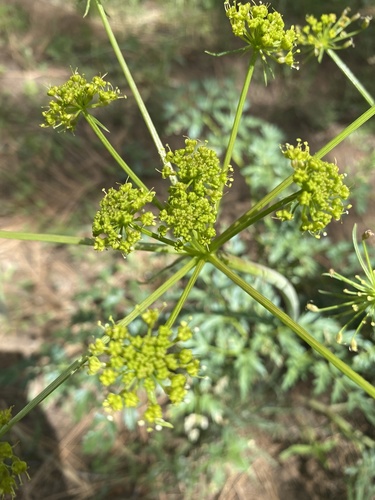
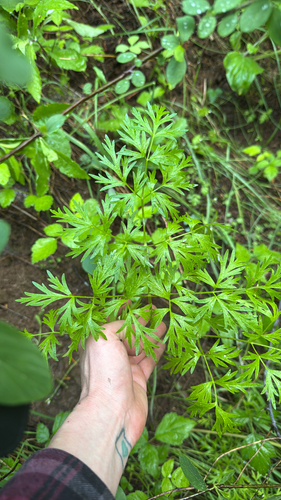
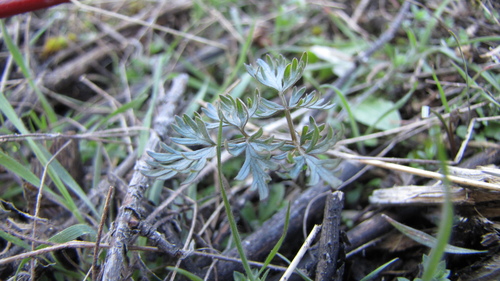
Fern-leaved Lomatium
Lomatium dissectum
Care
part shade
Adaptable, tolerant of sand, loam and clay.
4–5ft tall
Jun-Aug
Resistant
Prized
Roots/tubers eaten raw or cooked; traditional Indigenous food
Oak woodlands and grasslands of the Sierra Nevada foothills and interior valleys, 500-4000 ft elevation, extending to Oregon and east
Care Guide
Planting
Plant Fern-leaved Lomatium in part shade with soil that drains well - it's adaptable to sand, loam, and clay, so you have flexibility here. The best time to plant is in fall or early spring when the plant can establish its deep taproot before summer heat. Space plants about 2-3 feet apart since they'll reach 4-5 feet tall and spread with their characteristic fern-like foliage.
After Planting
Water weekly during the first summer to help establish the plant, then taper off as it matures and becomes drought-tolerant - this native plant is adapted to survive without supplemental water once established. The #1 mistake is overwatering or planting in poorly draining soil, which can rot the thick taproot; remember this plant evolved on brushy and wooded slopes where drainage is natural. Expect it to die back in winter as a perennial herb, and it will produce cheerful yellow or reddish flowers from June through August once established.
Visit Calscape for more information about Fern-leaved Lomatium
Endangered & Threatened Species Supported
California Threatened Species Act listing
Wildlife Supported
Insects

Primary larval host plant for specialized populations in western foothills

Early season larval host plant for first generation caterpillars

Spring foraging for colony development and reproduction

Early spring pollen source for overwintered colony foraging

Early season pollen source for spring-emerging mining bees

Early foraging resource for queen establishment and colony founding

Seed-feeding moth larvae develop in developing fruits and seeds

Early season nectar and pollen foraging for reproduction
+4 more species