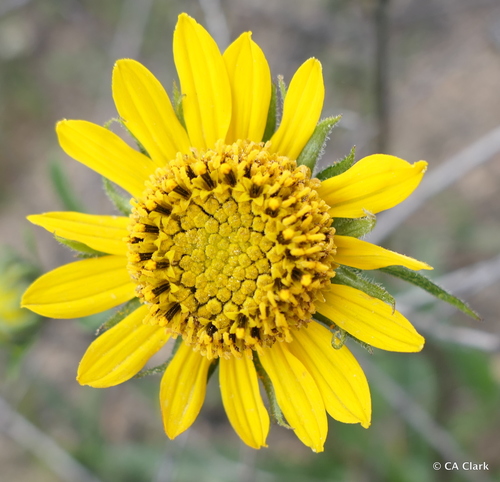
Chaparral Sunflower
Helianthella californica
Care
full sun, part shade
2–2ft tall
Mar-May
Friendly
Prized
Chaparral and coastal scrub of Santa Barbara and Ventura Counties, below 2500 ft elevation
Care Guide
Planting
Plant your Chaparral Sunflower in full sun, where it will thrive and produce its cheerful yellow flowers from March through May. This is a taprooted perennial, so choose a spot where it can stay permanently - moving it later will be difficult. Space plants about 2 feet apart to accommodate their mature height. Plant in spring to give the plant time to establish before summer.
After Planting
Water regularly during your plant's first growing season to help it establish, then taper off as it matures - this is a California native that adapts to drier conditions once established. Chaparral Sunflower is a perennial that will return each spring, so resist the urge to cut it back hard in fall; simply remove dead flower heads after blooming ends. The biggest mistake is overwatering in summer, which this drought-adapted plant doesn't need.
Visit Calscape for more information about Chaparral Sunflower
Wildlife Supported
Insects

primary native pollinator utilizing nectar and pollen

early spring larval host plant for caterpillars

caterpillars feed on foliage in spring after emergence from diapause
fungal pathogen completing life cycle on plant tissues

adult beetle foliage feeding during warm months

foraging for nectar and pollen during blooming period

caterpillars utilize foliage in spring months