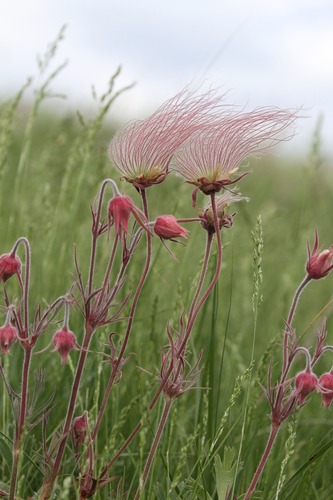
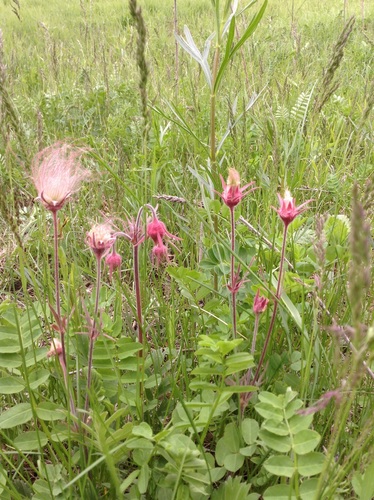
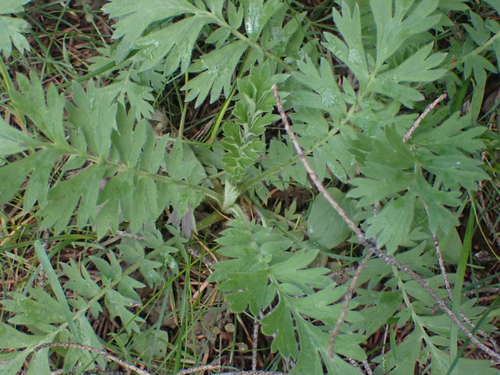
Old Man's Whiskers
Geum triflorum
Care
full sun, part shade
moderate
Prefers loamy soils.
0–1ft tall
Jun-Aug
Resistant
Friendly
Prized
Meadows and grasslands of the Sierra Nevada and northern California mountains, 5000-10000 ft elevation, extending to Oregon and east
Care Guide
Planting
Plant Old Man's Whiskers in full sun to part shade in loamy, well-draining soil - this is key, as it prefers loamy conditions over heavy clay or sandy mixes. Space plants about 12–18 inches apart since they'll fill in as a groundcover. Spring is your best planting window in the Bay Area to give them time to establish before summer.
After Planting
Water moderately during your plant's first summer to help it establish, then taper off as it becomes more drought-tolerant in subsequent years. Expect blooms from June through August, with those distinctive feathery seed heads that give the plant its "whiskers" name - leave these on the plant rather than deadheading them. The biggest mistake Bay Area gardeners make is overwatering; this is a moderate-water plant that doesn't appreciate wet feet, especially in our mild winters.
Visit Calscape for more information about Old Man's Whiskers
Endangered & Threatened Species Supported
Listed under California ESA; populations severely declined due to disease and habitat loss
California state threatened species
California Threatened; Species of Special Concern
Wildlife Supported
Insects

Critical early spring nectar when few flowers available

Spring season nectar and pollen foraging

Larval host plant for caterpillars

Rosaceae specialist, larval host plant

Early season nectar source for queen establishment

Grass-feeding but associated with Geoid plant communities

Spring foraging for pollen provisions

Pollen collection for larval provisioning
+4 more species