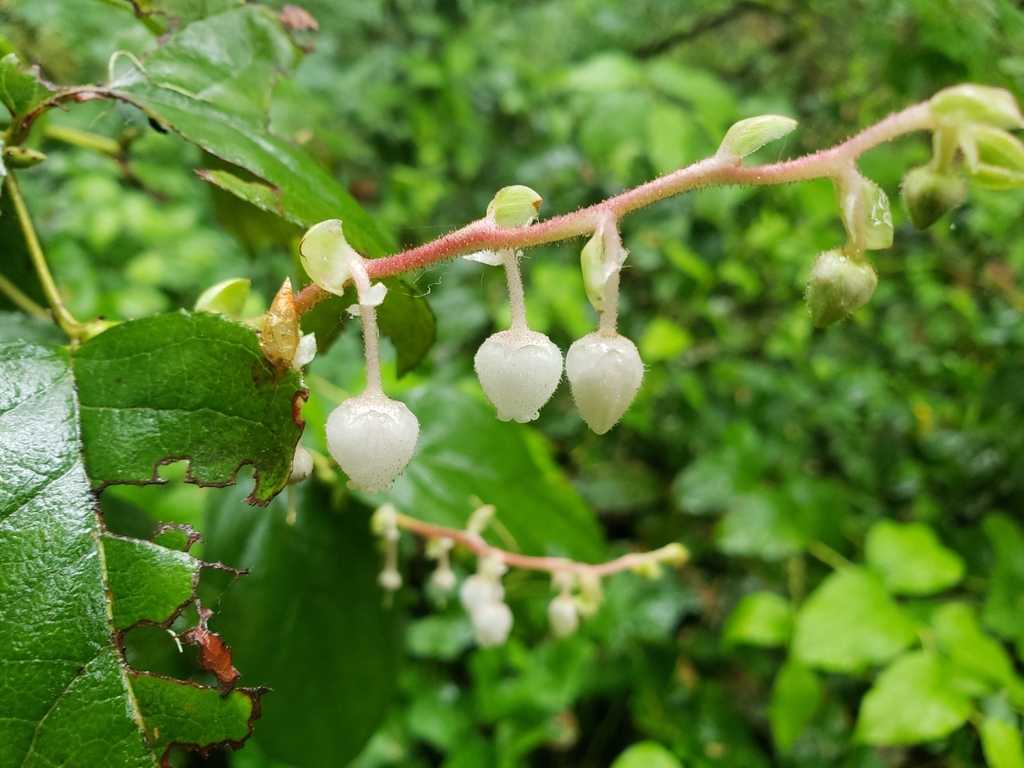
Salal
Gaultheria shallon
Care
part shade
moderate
Fast, Medium; Prefers sandy soil with organic material.
1–7ft tall , 7–12ft wide
Mar-May
Evergreen
Resistant
Friendly
Yes
Berries eaten fresh or cooked; traditional Indigenous food and current culinary use
Coastal forests and redwood areas of northern California from Humboldt County to Mendocino County, below 3000 ft elevation, extending to Oregon
Care Guide
Planting
Plant salal in part shade where it will thrive in both sunny and shady conditions, though partial shade is ideal for Bay Area gardens. Prepare soil that drains well - fast to medium drainage - and amend with organic material to create the sandy, rich soil this plant prefers. Space plants according to your desired mature height, since salal ranges from a ground cover to a 7-foot shrub depending on conditions. Plant in fall or early spring so the plant can establish before summer.
After Planting
Water weekly for the first summer, then taper to once or twice monthly during summer once established. Salal is evergreen and tolerant of cold down to 10°F, so it requires minimal winter care in the Bay Area. Prune after flowering ends in late spring if you want to shape it as a hedge or control its size; otherwise, this low-maintenance native needs little pruning. The biggest mistake is overwatering - salal evolved in coastal forests and forest understory, not wet conditions, so let the soil dry between waterings once it's past the first year.
Endangered & Threatened Species Supported
California state threatened species
California state threatened listing
California Species of Special Concern
Wildlife Supported
Insects
Larval hostplant; early spring emergence and oviposition Apr-May
Specialist leafminer; multiple generations per year; year-round larval development
Birds
Important mast resource during fall migration and winter months
Critical fall migration staging fuel; winter resident foraging Sep-Mar in coastal CA
Seasonal mast resource in northern CA conifer-hardwood transition zones
Amphibians
Dense evergreen cover provides refuge and overwintering shelter in coastal habitats
Mammals
Evergreen understory browse; important winter forage in coastal redwood-tanoak communities
Seasonal fruit cache and direct consumption; important mast mast year foraging